
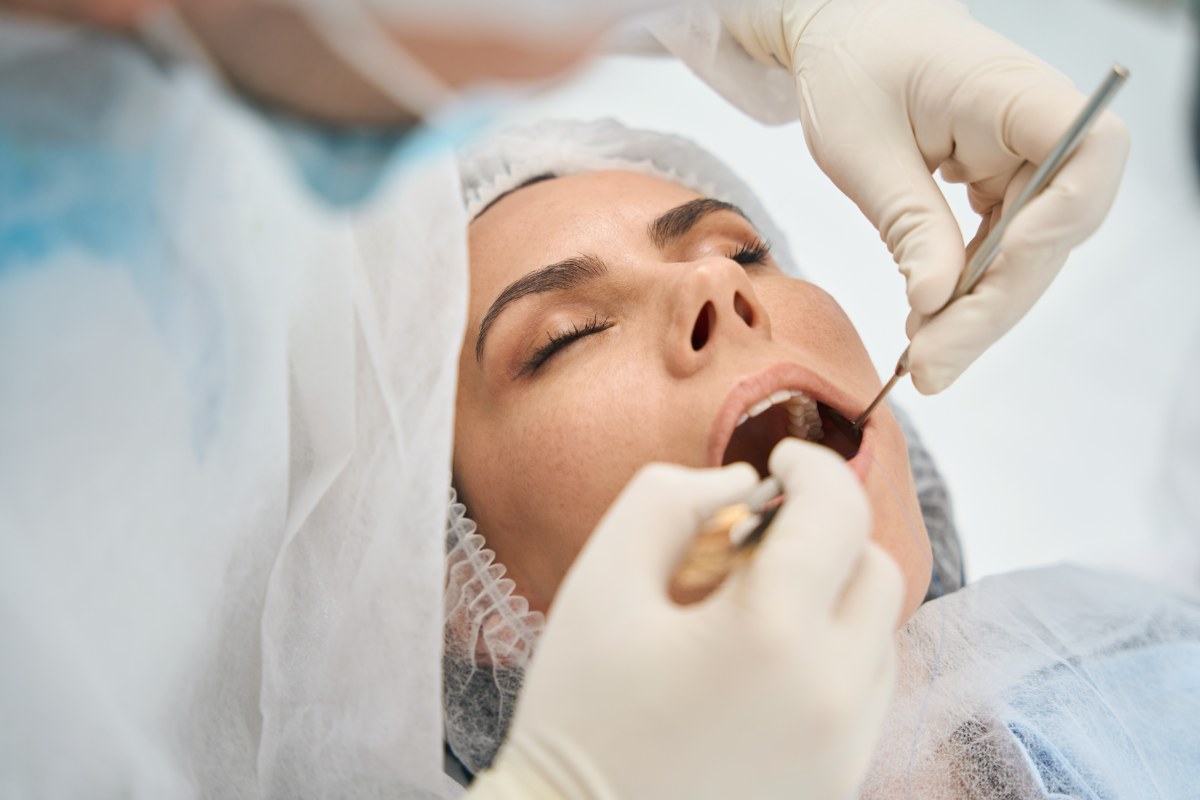
Have you been considering a change to your teeth but feel unsure which treatment makes the most sense? Maybe you want to improve the shape or color of your front teeth, replace a missing tooth with a metal-free option, or explore other ways to manage oral health concerns. Although Lumineers, ceramic dental implants, and ozone dental therapy may all come up during a dental consultation, they address very different needs.
For patients in Phoenix, AZ, choosing between these options starts with understanding your teeth and gums, your treatment goals, and the scientific evidence behind each procedure. At Whole Health Dentistry, Dr. Eniko Loud takes a patient-centered approach to dental care, considering both oral health and individual circumstances when discussing treatment options.
Which goal best describes your situation? If you want to change the appearance of existing teeth, veneers may be worth discussing. If you have a missing tooth, a dental implant evaluation may be appropriate. If you’re interested in ozone therapy, it’s important to understand where research supports its use—and where more evidence is needed.
What Are Lumineers, Ceramic Dental Implants, and Ozone Dental Therapy?
Before comparing these treatments, it helps to understand what each one is for.
- Lumineers: A branded type of thin dental veneer designed to cover the front surface of teeth and improve their appearance.
- Ceramic dental implants: Tooth-replacement devices commonly made from zirconia, a strong ceramic material. The implant is placed in the jawbone to support a crown or other restoration.
- Ozone dental therapy: An approach that uses ozone gas, ozonated water, or other ozone-based preparations in an attempt to reduce microorganisms in selected dental applications.
These treatments are not interchangeable. A veneer cannot replace a missing tooth, an implant is not intended to correct the color of an otherwise healthy tooth, and ozone therapy should not be considered a substitute for a restoration or established treatment when one is clinically necessary.
1. Lumineers: A Cosmetic Option for Existing Teeth
How do Lumineers work?
Lumineers in Phoenix are a branded form of porcelain veneer. Like other veneers, they bond to the front surfaces of teeth to change their appearance. Depending on the case, treatment may address discoloration, small chips, minor irregularities, or spaces between teeth.
One feature often associated with Lumineers is their thin design, which may allow some patients to receive veneers with little or no tooth preparation. However, this is not guaranteed for every patient. Tooth shape, alignment, existing restorations, and the desired final appearance all influence whether enamel reshaping is necessary.
A consultation should establish how much natural tooth structure, if any, needs to be removed before treatment.
Who may benefit from Lumineers?
Lumineers may be considered if you have generally healthy teeth and want to improve cosmetic details without pursuing more extensive restorative treatment. They may be suitable for certain cases involving:
- Persistent discoloration that doesn’t respond well to whitening.
- Minor chips or uneven-looking edges.
- Small spaces between teeth.
- Slight variations in tooth shape or size.
They are not the right solution for every cosmetic concern. Significant crowding, untreated decay, active gum disease, or extensive structural damage may require a different approach. Patients who clench or grind their teeth may also face a higher risk of veneer damage.
How long do ceramic veneers last?
Research suggests well-planned ceramic veneers can last long-term, though their lifespan depends on the material, bonding technique, oral hygiene, bite forces, and maintenance.
A 2024 systematic review and meta-analysis published in the Journal of Esthetic and Restorative Dentistry examined 29 studies of ceramic laminate veneers. It reported estimated survival rates at an average follow-up of about 10.4 years: 96.13% for feldspathic porcelain and 96.81% for lithium disilicate veneers. These figures describe the materials studied, not a guarantee for every veneer brand or individual patient.
The review also found that veneer complications can occur, including chipping, debonding, and biological problems.
What should you consider before choosing Lumineers?
Veneers are cosmetic restorations, not a replacement for preventive dental care. Even when little tooth preparation is required, the treatment should be planned carefully because bonded veneers can require repair or replacement in the future.
Ask your dentist whether whitening, orthodontic treatment, bonding, or another conservative option could achieve your goals. If your primary concern is tooth color, professional whitening may be sufficient. If alignment is the main issue, orthodontic treatment may address the cause rather than covering it.
2. Ceramic Dental Implants: Replacing Missing Teeth
What is a ceramic dental implant?
When a tooth is missing, a dental implant can provide a foundation for a replacement tooth. Ceramic implants are commonly manufactured from zirconia, a biocompatible ceramic material that differs from the titanium used in many conventional implants.
The implant is placed into the jawbone and integrates with the surrounding bone as it heals. Once the site is ready, a dentist can attach a dental crown or other restoration to restore appearance and function. The timeline varies depending on bone quality, gum health, the missing tooth’s location, and whether additional procedures are needed.
Ceramic implants in Phoenix may appeal to patients who prefer a metal-free implant system. However, the material alone does not determine treatment success.
Who may be a candidate?
Ceramic implants may be considered for adults with one or more missing teeth who have suitable oral health and sufficient bone support—or who can receive appropriate preparatory treatment.
Your dentist will generally evaluate:
- Jawbone volume and density.
- Gum health and history of periodontal disease.
- Medical conditions and medications that may affect healing.
- Smoking or tobacco use.
- Bite forces, including teeth grinding.
- Whether a ceramic implant system suits the specific location and restoration.
A dental examination and appropriate imaging help determine whether an implant is feasible. Some patients may benefit more from a conventional bridge, a removable partial denture, or another restorative option.
What does research say about ceramic implant success?
Research on zirconia implants is encouraging, but the evidence is still developing and should be interpreted carefully.
A 2023 systematic review and meta-analysis of clinical outcomes included 25 studies and covered 4,017 zirconia implants in 2,083 patients. The researchers estimated a 10-year cumulative survival rate of 95.1%. However, only seven included studies had follow-up beyond 60 months, and outcomes varied by implant design and other factors. Therefore, the estimate should not be interpreted as a guarantee that a particular implant will last ten years.
A separate 2023 systematic review comparing titanium, titanium-zirconium, and zirconia implants included 637 implants in 301 patients. The reported survival rates were 97.7% for titanium, 98.6% for titanium-zirconium, and 93.8% for zirconia implants. The sample was relatively limited, and differences in study design and implant systems affect how directly these results can be compared.
These findings highlight why your dentist should discuss both the potential advantages and the limitations of ceramic implant systems.
What are the advantages and limitations?
Zirconia Implants in Phoenix are tooth-colored, which may appeal when gum recession or thin gum tissue makes implant materials more visible. Some patients also prefer a metal-free option.
Nevertheless, ceramic implants are not automatically better than titanium implants for every patient. Implant design, bone quantity and quality, surgical technique, and long-term maintenance all matter. The evidence comparing materials remains limited in some areas, so a personalized discussion is essential.
Implants also require ongoing care. Brushing, cleaning between teeth, regular professional examinations, and monitoring of the gum tissue around the implant help protect the restoration and surrounding bone.
3. Ozone Dental Therapy: What Does the Evidence Say?
How is ozone used in dentistry?
Ozone is a reactive form of oxygen that can be delivered in different ways, including as a gas or dissolved in water. Because it can act against certain microorganisms under appropriate conditions, ozone has been investigated for uses such as managing early tooth decay, disinfecting treatment areas, and supporting selected periodontal or surgical procedures.
At Whole Health Dentistry, ozone dental therapy in Phoenix is among the services the practice offers. If you are considering it, ask Dr. Eniko Loud which specific dental problem the treatment is intended to address, how it would be delivered, and whether it would be used alongside conventional care.
Does ozone therapy treat cavities or gum disease?
The key distinction is between a treatment’s antimicrobial effects and evidence that it improves patient outcomes.
A 2020 systematic review and meta-analysis evaluated 12 randomized controlled trials involving 695 participants and 1,227 carious lesions. The researchers concluded that the evidence was of very low certainty and was insufficient to recommend ozone therapy for treating dental caries. Small sample sizes and study differences limited the conclusions.
Research into periodontal treatment has also produced mixed findings. A 2020 systematic review examined 12 studies of ozone used alongside nonsurgical periodontal treatment. The analysis found no statistically significant additional benefit over conventional scaling and root planing for the periodontal measures evaluated.
This does not mean every potential application has been fully studied. It does mean patients should be cautious about claims that ozone reliably cures cavities, eliminates all harmful bacteria, or replaces established dental procedures.
Is ozone therapy a substitute for standard treatment?
Ozone therapy should not be assumed to replace fillings, root canal treatment, professional periodontal care, or other procedures when those treatments are indicated. The right treatment depends on the diagnosis and the severity of the problem.
Safety also matters. Ozone gas can be harmful if inhaled, so appropriate equipment, controlled delivery, and exposure precautions are important. Patients should ask about the procedure, the expected benefit, potential risks, and available alternatives before deciding.
For example, if a tooth has a cavity, your dentist should explain whether it can be managed conservatively or requires a restoration. If gum disease is present, the treatment plan should reflect the condition’s severity and be supported by clinical evidence.
4. How Do You Decide Which Treatment Is Right for You?
Start with the problem you want to solve—not the procedure that sounds newest or least invasive.
| Your main concern | Option to discuss | Important consideration |
|---|---|---|
| Tooth discoloration, small chips, or cosmetic shape concerns | Lumineers or other veneers | Veneers are cosmetic restorations and may require tooth preparation |
| One or more missing teeth | Ceramic or titanium dental implants, bridges, or dentures | Bone health, gum health, and implant suitability must be evaluated |
| Interest in additional antimicrobial dental treatment | Ozone therapy, where appropriate | Evidence varies by application; it should not replace proven care without sound clinical justification |
If you have several concerns, treatment may involve more than one approach. For example, a missing tooth may need replacement before the surrounding teeth are considered for cosmetic treatment. Similarly, active gum disease should be addressed before elective veneers or implant placement.
During your consultation, ask about expected outcomes, alternatives, treatment timelines, maintenance needs, total costs, and the strength of the supporting evidence. These questions help you decide based on your health priorities rather than promises of a specific result.
5. Why Consider a Personalized Dental Consultation in Phoenix, AZ?
No two treatment plans should be assumed to be identical. Tooth structure, bite alignment, bone support, gum condition, medical history, and personal preferences all shape your options.
At Whole Health Dentistry, Dr. Eniko Loud’s approach emphasizes individualized care and consideration of oral health alongside broader health factors. A consultation can clarify whether a cosmetic veneer, a tooth-replacement option, or a specific adjunctive treatment fits your situation.
Patients should also feel comfortable asking for a clear explanation of any recommended procedure’s benefits and limitations. A sound plan identifies the dental problem first, reviews reasonable alternatives, and explains how success will be assessed over time.
Visit our dental practice in Phoenix, AZ. Book now to schedule your appointment with our team.
Conclusion
Lumineers, ceramic dental implants, and ozone dental therapy address three different aspects of dental care. Lumineers may improve the appearance of selected existing teeth, ceramic implants can replace missing teeth in suitable candidates, and ozone therapy is an additional approach whose effectiveness depends on the application and remains uncertain for some common dental problems.
Research supports the potential for long-lasting ceramic veneers and encouraging outcomes with zirconia implants, while also identifying complications and areas where stronger evidence is needed. For ozone therapy, published findings do not justify treating it as a universal replacement for established dental care.
The right next step is a personalized assessment with Dr. Eniko Loud at Whole Health Dentistry. By discussing your goals, examining your oral health, and reviewing the available evidence, you can make a more informed decision about the treatment that best fits your needs.
Frequently Asked Questions
1. What dental services should I consider for my oral health concerns?
The right services depend on your needs and may include preventive care, restorative dentistry, cosmetic treatments, or tooth replacement. Our dentist or dental team can help explain suitable options and when a specialist may be needed.
2. How do I know which dental treatment is right for me?
A dental exam, a review of your medical and dental history, and a discussion of your goals can help determine an appropriate plan. Our dentist can explain orthodontic considerations, while your dentist can assess veneers, implants, and other restorative options.
3. Are cosmetic dental treatments permanent?
Cosmetic treatments vary in durability. Veneers can last many years but may chip, loosen, or need replacement. Our dentist can discuss alignment-related concerns and explain the expected maintenance and lifespan of a proposed restoration.
4. Are dental implants suitable for everyone?
No. Implant suitability depends on factors such as bone support, gum health, medical history, and healing capacity. Our dentist can help coordinate care when tooth alignment matters, while an implant provider can evaluate surgical and restorative needs.
5. How can I schedule an appointment at Whole Health Dentistry?
Contact Whole Health Dentistry in Phoenix, AZ, to discuss your dental concerns and arrange a consultation with the team. Ask about treatment options, expected costs, and what to bring to your first visit.