
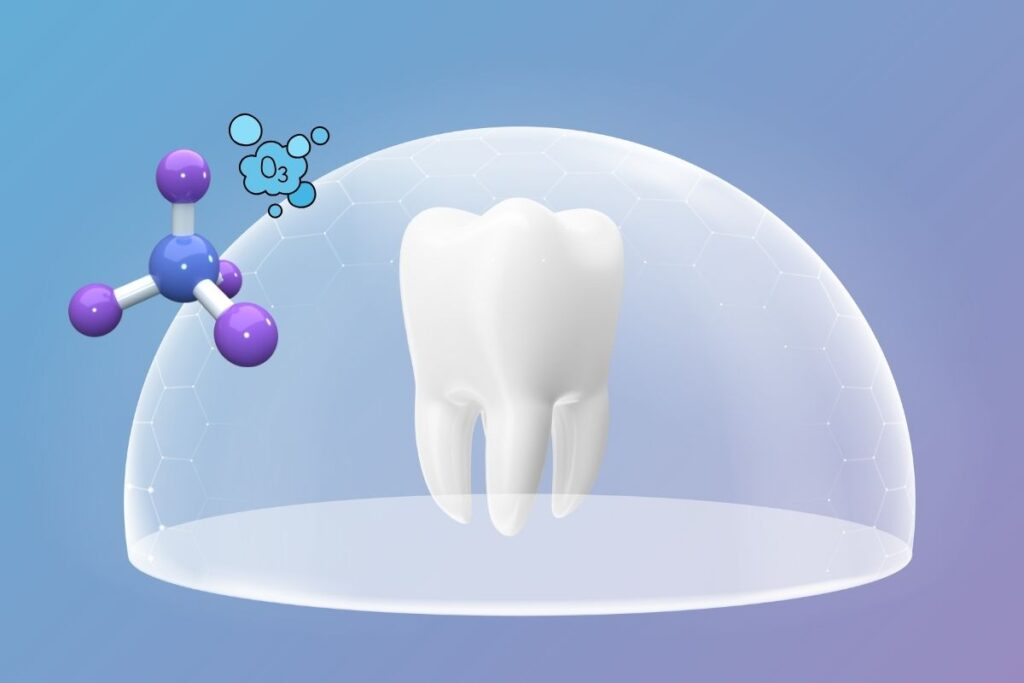
Is there a real alternative to getting a root canal? That’s the question on the minds of many Americans looking for simpler, less invasive dental treatments. With the rise of alternative methods like ozone therapy, some patients are wondering if they can skip the drill altogether.
However, do you know how these two treatments actually compare, and whether this therapy truly replaces root canal treatment? Read this blog till the end to get a comprehensive answer to all your queries.
An efficient dentist in Phoenix uses this dental procedure to treat an infection that has reached deep inside the tooth. This infection affects the pulp, the soft tissue at the center of the tooth that contains nerves and blood vessels. When this tissue becomes inflamed or infected, it causes severe pain, sensitivity, and swelling.
During this procedure:
Root canals are widely used because they save teeth that would otherwise need to be pulled. They are also very effective at stopping pain and preventing the spread of infection.
This is a modern therapy that relies on ozone gas to treat bacteria and promote healing. Ozone is a form of oxygen that is highly reactive and has a strong disinfecting power. In dental care, this gas is used in gas, water, or oil form to target bacteria and promote tissue recovery.
This procedure is often used for,
It is safe, non-invasive, and requires no drilling or numbing. For patients looking to maintain oral health with a gentler approach, ozone therapy is becoming a favored option in many modern dental practices.
Root canals are restorative procedures performed when the pulp inside a tooth becomes infected or damaged. They are performed when symptoms like severe tooth pain, swelling, or sensitivity are present.
Whereas ozone therapy is more preventive in nature. It is used to stop bacteria from spreading, especially in the early stages of decay or infection, before it reaches the tooth’s nerve. It is also helpful after dental treatments to speed up healing and reduce inflammation.
A root therapy is an invasive procedure that involves drilling into the tooth and removing internal tissue. Though it is done under anesthesia and is generally painless, it requires time to heal and often includes placement of a crown.
Ozone therapy is completely non-invasive. It does not involve any cutting, drilling, or discomfort. Thus, patients usually return to their regular routine immediately.
Root treatment is highly effective for treating serious infections that affect the pulp and nerve of the tooth. It physically removes infected tissue and seals the canals to prevent reinfection.
On the other hand, the ozone treatment is not a replacement for treating deep, established infections. While it eliminates surface-level bacteria and reduces inflammation, it does not remove infected pulp from within a tooth.
The right treatment depends on how advanced the issue is. A root canal may be necessary if you’re experiencing:
These symptoms usually point to infection within the tooth’s pulp, which requires immediate and targeted intervention.
Ozone therapy, on the other hand, may be an option if:
Seeking professional assistance from a trustworthy dentist in Phoenix can help you understand which of these procedures can bring an end to your oral problem.
In short, no, not entirely. If the pulp of a tooth is infected or damaged, ozone treatment cannot reverse that. This therapy reduces the chances of needing a root canal in the first place. When applied early, it manages minor decay and keeps bacteria from reaching the tooth’s inner layers. It can also be used alongside traditional procedures for better outcomes.
Many patients today are turning to preventive care options like ozone treatment to stay ahead of dental problems. When used as part of routine dental maintenance, it supports long-term tooth and gum health and reduces the likelihood of needing more intensive procedures later.
However, the best thing you can do to understand which procedure suits you the best is to schedule a consultation with our dentist at Whole Health Dentistry. We bring decades of experience and a personalized approach according to your oral needs.


Copyright © 2026 Whole Health Dentistry • Desert Ridge Medical Plaza 20950 North Tatum Blvd, Suite 300 Phoenix, AZ 85050 • Phone: 480.563.4141