
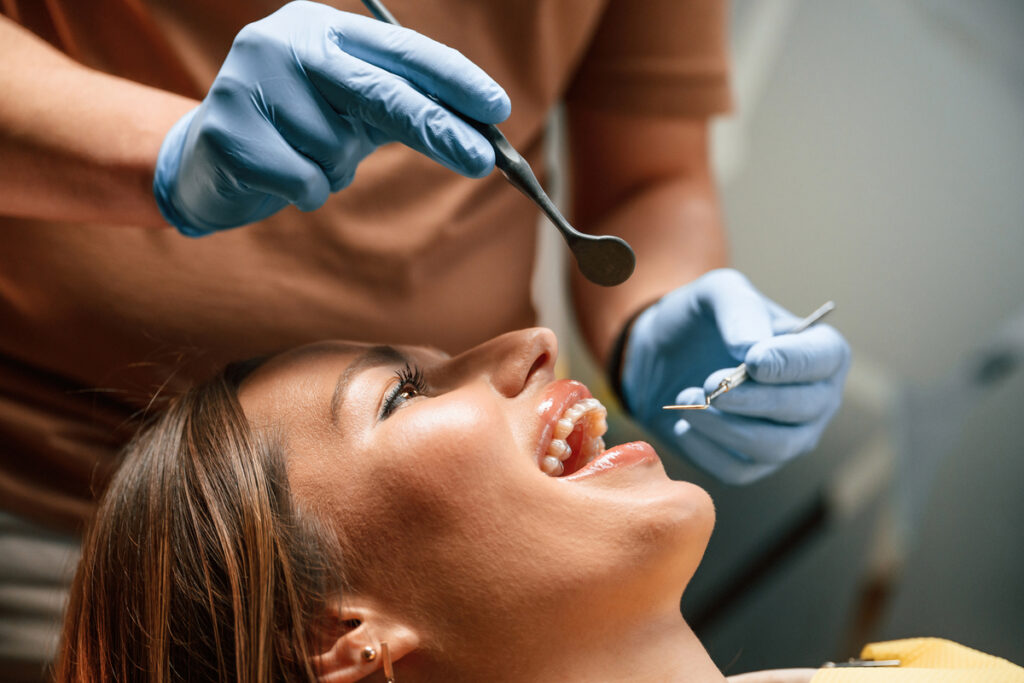
Have you ever looked in the mirror and wished for a "Hollywood smile," but felt a little uneasy about the idea of a dentist grinding down your natural teeth to get there? You’re definitely not alone. It’s the classic dental dilemma: you want the glow-up, but you also want to keep your body’s natural structures intact.
This is where the worlds of Biological Dentistry and Lumineers collide. While traditional veneers often require removing a significant layer of enamel, Lumineers offer a "no-prep" alternative. But does a biological approach actually make the results look better—or last longer? Let’s dive into the data and see how focusing on your biology can elevate your aesthetic game.
Biological dentistry (often called holistic dentistry) isn’t just a buzzword; it’s a philosophy that treats the mouth as a gateway to the rest of the body. When applied to cosmetic procedures like Lumineers, the goal shifts from just "making it look white" to "making it function healthily within your unique biological system."
According to the Global Dental Biomaterials Market reports, the demand for biocompatible materials is surging, with the market expected to grow at a CAGR of 7.36% through 2035 as patients prioritize non-toxic, body-friendly options.
The biggest perk of Lumineers is their thickness—or lack thereof. At approximately 0.2 mm to 0.3 mm (about the thickness of a contact lens), they are significantly thinner than traditional veneers, which usually sit at 0.5 mm or more.
A "pretty" smile isn't just about the teeth; it's about the frame. If your gums are red, recessed, or inflamed, even the most expensive Lumineers will look "off."
Lumineers are a specific type of dental veneer — think of cosmetic porcelain shells that enhance the appearance of your smile.
Key facts:
However, Lumineers aren’t perfect for every case — especially when teeth have deep stains or significant structural issues.
Here’s where things get interesting.
Biological dentists are rigorous about choosing materials that work well with your body. That means a lower risk of irritation or sensitivity after Lumineers placement.
When dentists assess biocompatibility before placing restorations, they:
This can lead to a more comfortable healing process and satisfied patients.
Traditional veneer procedures often involve removing enamel — the tooth’s protective outer layer — to make space for the shell.
But one of the major benefits touted by biological dental advocates is:
Because Lumineers in Phoenix can often be placed without significant enamel removal, they naturally support this conservative philosophy — and that aligns well with biological principles.
Less enamel removal also means:
While cosmetic results are often about aesthetics, biological dentistry asks a bigger question: How does this treatment affect your overall health?
For some patients, especially those with allergies, sensitivities, or chronic inflammation, this can be a powerful plus.
Biological dentists often:
This holistic view — combined with Lumineers for appearance — can lead to more confident patients who feel their smile makeover contributes to their broader wellness.
Here’s what research and industry data show — even beyond biological dental philosophy:
However, these statistics underscore one essential truth:
Success depends on proper planning, skill, and individualized care — not just the veneer or philosophy alone.
Which naturally leads to this question…
Here’s the honest answer:
A biological dental approach can enhance the overall experience and comfort of cosmetic treatments like Lumineers — especially for patients who care about material safety, overall wellness, and a minimally invasive process.
But…
It’s not a magic guarantee of better cosmetic appearance.
The aesthetic outcome of Lumineers primarily depends on:
Biological dentistry can complement — but not replace — these clinical essentials.
In other words:
Think of biological dentistry as the supportive philosophy that enhances your cosmetic journey — not the cosmetic treatment itself.
If you are looking for a dramatic transformation without the "pointy tooth" prep phase, combining Lumineers with a biological dental philosophy is a win-win. You aren't just getting a cosmetic fix; you’re ensuring that your new smile is built on a foundation of health.
By prioritizing biocompatibility and tissue preservation, you reduce the risk of the "bulky" look sometimes associated with poorly placed no-prep veneers and ensure your results look as natural as they feel.
1. Can anyone get Lumineers with a biological dentist?
Most adults with good oral health can consider Lumineers. However, individual factors like enamel thickness, bite alignment, and tooth color still influence candidacy. A comprehensive evaluation is key.
2. Are Lumineers more biocompatible than traditional veneers?
Lumineers’ minimal-prep design aligns well with conservative philosophies, and toxicity is not typically a concern with high-quality porcelain. Still, biocompatibility largely depends on the materials used for bonding — another area where biological dentists pay close attention.
3. Do biological dentists charge more for cosmetic services?
Prices vary by practice, but a biological approach involves additional consultation time, biocompatibility evaluation, and personalized planning. Some patients find the added value worth the cost.
4. Is the cosmetic result noticeably different with a biological approach?
Biological dentistry may improve comfort, healing, and wellness outcomes. But the visual appearance of Lumineers comes down to design, materials, and the dentist’s artistic execution.
5. How long do Lumineers last?
With proper care, Lumineers can last 10–15 years or more. However, wear, bite forces, and oral hygiene all affect longevity. Regular checkups and good habits help preserve your investment.


Copyright © 2026 Whole Health Dentistry • Desert Ridge Medical Plaza 20950 North Tatum Blvd, Suite 300 Phoenix, AZ 85050 • Phone: 480.563.4141