Have you ever wondered whether your dental appointment could involve more than checking for cavities and cleaning your teeth? If you are interested in a more whole-person approach to oral health, you may be curious about what happens when you visit a holistic dentist.
For Phoenix patients, a holistic dental visit may begin with the same basic principles as a traditional dental appointment—reviewing your dental history, examining your teeth and gums, and identifying problems that need attention. However, the conversation may also include your overall health, daily habits, nutrition, previous dental work, and the materials used in your treatment.
At Whole Health Dentistry, Dr. Eniko Loud takes a comprehensive approach to evaluating oral health and helping patients understand their treatment options. The goal is to look beyond an isolated tooth and consider how preventive care, gum health, restorative dentistry, and everyday habits fit into your overall oral-health plan.
What Is Holistic Dentistry?
Holistic dentistry, sometimes called whole-body or integrative dentistry, generally emphasizes the relationship between oral health and overall well-being. Rather than treating a dental problem as completely separate from the rest of the body, this approach may consider factors such as nutrition, oral hygiene, lifestyle, existing health conditions, and dental materials when developing a treatment plan.
Dental research supports the idea that oral health and general health are connected. The National Institute of Dental and Craniofacial Research (NIDCR) reports that researchers have identified associations between oral diseases such as periodontal disease and conditions including diabetes, cardiovascular disease, dementia, cancer, and pregnancy-related complications. However, NIDCR also notes that the exact causes of these relationships are not always clear.
That distinction is important. A holistic dentist in Phoenix can consider the broader picture without claiming that dental treatment alone can prevent or cure unrelated medical conditions.
Your First Holistic Dental Appointment
If it has been several years since your last dental visit, you may have questions about what to expect. A first appointment typically starts with a conversation.
You can expect to discuss your dental history, previous treatments, current concerns, medications or supplements, oral hygiene routine, and any symptoms you have noticed. Depending on your circumstances, your dentist may also ask about habits such as tobacco use, diet, teeth grinding, or other factors that can affect oral health.
This information helps the dental team understand your individual risk factors rather than relying only on a standard checklist.
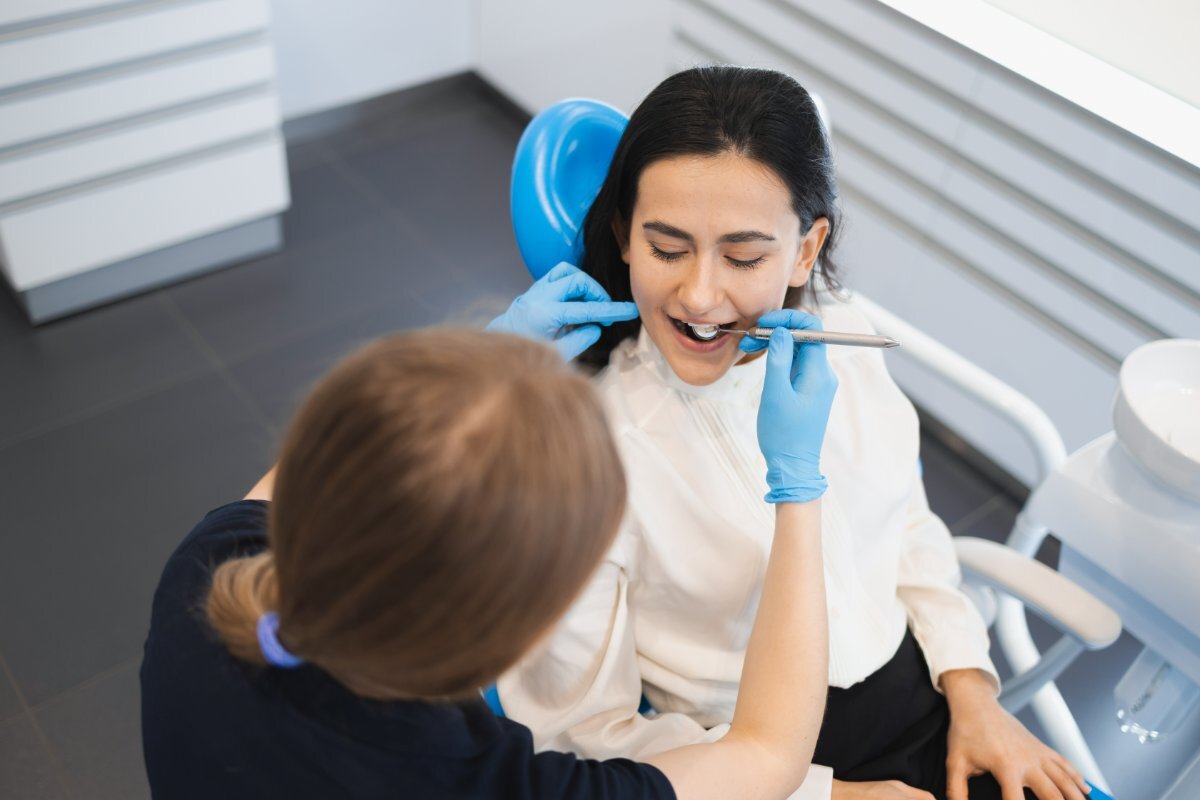
A comprehensive examination may then include an evaluation of your teeth, gums, bite, existing restorations, and other oral structures. Dental X-rays may be recommended when clinically appropriate to look for problems that cannot be seen during a visual examination.
Expect More Attention To Gum Health
Healthy teeth are only one part of a healthy mouth. Your gums and the bone supporting your teeth are equally important.
According to NIDCR, about 42.2% of U.S. adults age 30 and older had some form of periodontitis based on CDC/AAP surveillance definitions from national health data. That included 7.8% with severe periodontitis and 34.4% with nonsevere disease.
Because gum disease can progress without causing dramatic symptoms in its early stages, a holistic dental evaluation may place significant attention on gum health. Your dentist may examine gum tissue, measure periodontal pockets when indicated, assess inflammation, and look for signs of bone loss.
NIDCR explains that periodontal disease can cause inflammation and damage to the tissues and bone supporting the teeth. Treatment depends on the severity of the condition and can include professional periodontal care combined with effective daily oral hygiene.
Your Dental Materials May Be Discussed
One topic that may come up during a holistic dental appointment is the material used for existing or future restorations.
Patients sometimes ask about dental amalgam, commonly called silver fillings. The FDA states that dental amalgam is approximately 50% elemental mercury by weight. At the same time, the FDA says available evidence does not establish adverse health effects from dental amalgam in the general population and does not recommend removing intact amalgam fillings in good condition solely to prevent disease.
This means treatment decisions should be individualized.
If you have an older filling, your dentist can evaluate its condition and discuss whether replacement is actually necessary. If a restoration needs replacement because of decay, fracture, leakage, or another dental concern, you can discuss available restorative materials, along with their benefits and limitations.
At Whole Health Dentistry, these conversations can help Phoenix patients make informed decisions about their dental care.
A Closer Look At Tooth Decay
Another important part of a comprehensive dental visit is identifying current or potential tooth decay.
Tooth decay remains extremely common in the United States. NIDCR reports that nearly 90% of adults ages 20 to 64 have experienced dental caries, while national data show that about 1 in 5 adults in this age range has untreated tooth decay.
A holistic approach does not mean ignoring conventional cavity treatment. Instead, prevention can be an important part of the discussion.
Your dentist may look at factors such as brushing habits, cleaning between the teeth, dietary patterns, previous cavities, dry mouth, and other factors that can increase your risk. The goal is to identify why problems may be developing and create practical strategies to reduce future risk.
Nutrition And Oral Health May Be Part Of The Conversation
What you eat and drink can influence your oral environment.
Frequent exposure to sugars and certain acidic foods and beverages can contribute to dental problems, while maintaining good nutrition supports general health. During a holistic dental consultation, your dentist may discuss dietary habits as one part of your overall preventive strategy.
This does not mean that a dentist replaces your physician or registered dietitian. Instead, nutrition may be considered from the perspective of dental health, particularly when dietary patterns appear to contribute to repeated cavities or other oral concerns.
Personalized Home Care Recommendations
You may also leave your appointment with recommendations specifically suited to your mouth.
The American Dental Association recommends brushing twice a day with fluoride toothpaste for two minutes. The ADA also emphasizes cleaning between the teeth and notes that personalized oral-care recommendations can be tailored to an individual’s needs and risk factors.
That personalization is especially useful when your oral-health needs differ from another patient’s.
For example, someone with a history of frequent cavities may need a different preventive strategy from someone primarily concerned about gum disease. A patient with dental restorations or orthodontic appliances may also need specific cleaning techniques.
What About Existing Dental Problems?
A holistic dentist still needs to diagnose and treat dental disease.
If you have a cracked tooth, cavity, infected tooth, gum disease, damaged restoration, or missing tooth, your dentist can explain the available treatment options. Depending on the problem, treatment could involve preventive care, a filling, a crown, periodontal therapy, root canal treatment, extraction, implant dentistry, or another appropriate procedure.
The important point is that holistic dentistry should not mean ignoring a condition that requires treatment.
For example, untreated dental disease can become more complicated over time. Addressing a problem early may help preserve tooth structure and reduce the likelihood of more extensive treatment later.
You May Have More Time For Questions
One of the most valuable parts of a comprehensive dental appointment can be the opportunity to ask questions.
You may want to ask:
- What is causing this dental problem?
- What treatment options are available?
- Do I need treatment immediately?
- What are the advantages and limitations of each option?
- Can I prevent the problem from returning?
- What dental materials are available?
- How can I improve my home-care routine?
- What should I discuss with my physician?
These conversations can help you understand your choices before starting treatment.
Is Holistic Dentistry Right For You?
A holistic dental appointment may be appealing if you want your dentist to consider more than an individual tooth. It can be particularly useful for patients who want to discuss preventive care, gum health, nutrition, dental materials, lifestyle factors, and long-term oral-health goals.
However, evidence-based dental care remains important regardless of the terminology used to describe a practice.
For example, the ADA recommends proven preventive measures such as brushing twice daily with fluoride toothpaste, while NIDCR emphasizes diagnosing and treating periodontal disease and tooth decay.
A comprehensive approach works best when it combines broader health considerations with established dental science and individualized clinical care.
What To Bring To Your Appointment
If this is your first visit to a holistic dentist, preparation can make your appointment more productive.
Consider bringing a list of current medications and supplements, information about previous dental procedures, recent dental X-rays if available, and questions about any symptoms or concerns.
You may also want to note tooth sensitivity, bleeding gums, jaw discomfort, bad breath, headaches associated with jaw activity, or changes you have noticed in your mouth.
The more information your dental team has, the easier it can be to develop a personalized plan.
Why Choose Whole Health Dentistry In Phoenix?
Choosing a dental practice is about more than booking an appointment. You want a team that listens to your concerns, explains treatment options clearly, and considers your long-term oral-health needs.
At Whole Health Dentistry in Phoenix, Dr. Eniko Loud focuses on a comprehensive approach to dental care. Whether you are seeking preventive guidance, treatment for an existing dental concern, or a deeper conversation about your oral health and dental materials, your appointment can be an opportunity to understand your options.
Whole Health Dentistry AZ is located at 20950 N Tatum Blvd #300 in Phoenix, Arizona, making it a local option for patients seeking comprehensive dental care.
Conclusion
Visiting a holistic dentist can include many familiar elements of a conventional dental exam while placing additional emphasis on the relationship between oral health, daily habits, dental materials, prevention, and overall well-being.
For Phoenix patients, the first step is often a conversation. Your dentist can review your dental history, examine your teeth and gums, identify concerns, discuss treatment options, and help you develop a practical plan to maintain your oral health.
At Whole Health Dentistry, Dr. Eniko Loud can help you understand your dental needs and the options available.
Visit our dental practice in Phoenix. Book now to schedule your appointment with our team.
Frequently Asked Questions
1. What services does Whole Health Dentistry offer?
Whole Health Dentistry provides comprehensive dental care, including preventive, restorative, cosmetic, and other treatment options based on each patient’s individual needs.
2. How often should I visit the dentist?
The appropriate schedule depends on your oral health, risk factors, and treatment history. Your dentist can recommend a personalized recall schedule.
3. Does Whole Health Dentistry accept new patients?
Patients interested in learning more about available services and appointments can contact the Phoenix dental practice to discuss their needs and scheduling options.
4. What should I bring to my first dental appointment?
Bring your identification, insurance information (if applicable), medication and supplement information, previous dental records or X-rays (when available), and a list of questions or concerns.
5. How can I schedule an appointment with Dr. Eniko Loud?
Contact Whole Health Dentistry in Phoenix to ask about available appointments with Dr. Eniko Loud and discuss the type of dental care you need.