
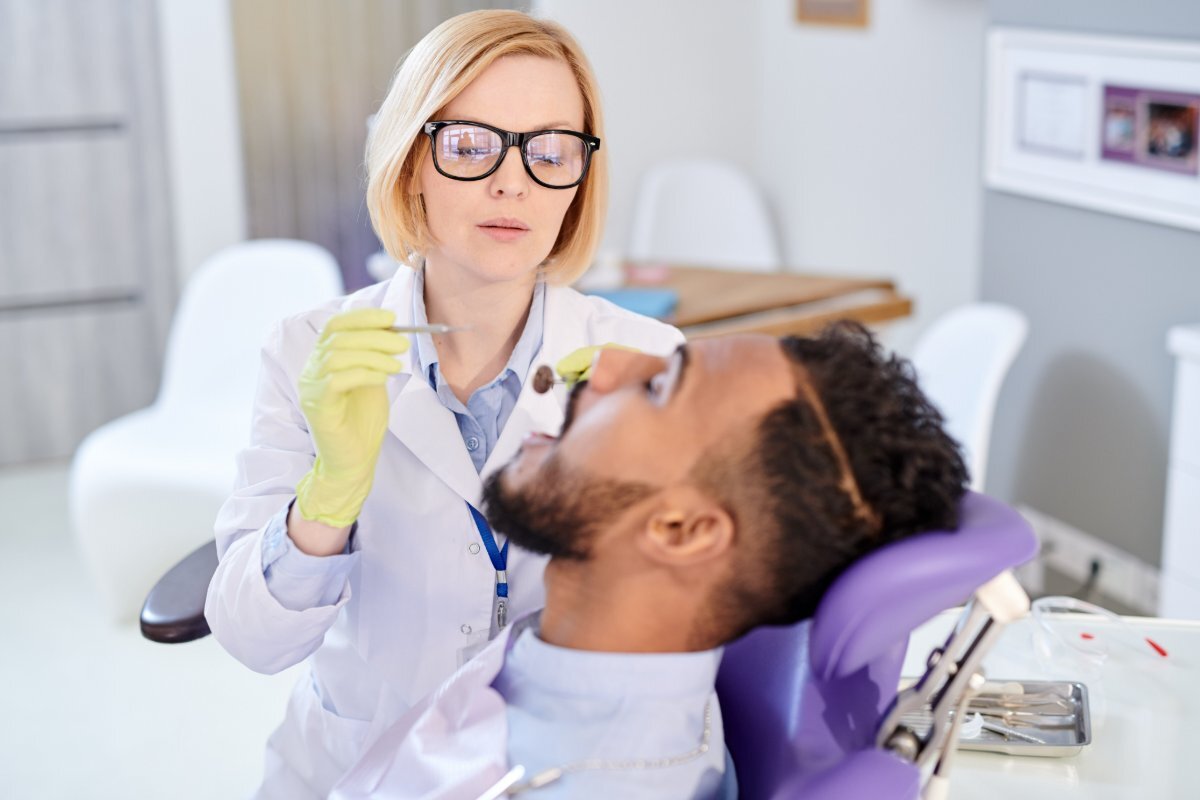
When you think about your oral health, do you think only about cavities, cleanings, or fixing a broken tooth? Your teeth also work together as part of a larger system involving your gums, jaw, bite, chewing muscles, and supporting structures. That broader perspective is one reason some patients are interested in bioesthetic dentistry.
If you live in Phoenix, you may have heard the term but wondered what it actually means. Can bioesthetic dentistry help you maintain healthier teeth? Can it address worn or damaged teeth? Does your bite matter when planning restorative or cosmetic treatment?
Bioesthetic dentistry generally focuses on evaluating how the teeth, jaw, muscles, and surrounding oral structures function together when developing a treatment plan. Services and philosophy can vary between dental practices, so patients should ask their dentist exactly what an examination and treatment plan will involve.
At Whole Health Dentistry in Phoenix, Dr. Eniko Loud takes a comprehensive approach to evaluating patients’ oral health and dental concerns. An individualized examination can help identify existing problems and determine which treatment options may be appropriate.
What Is Bioesthetic Dentistry?
Bioesthetic dentistry in Phoenix is an approach that considers the relationship between dental structures and oral function rather than looking at an individual tooth in isolation.
Depending on the dentist and treatment plan, this may involve evaluating:
- Tooth structure
- Tooth wear
- Dental restorations
- Bite and tooth contacts
- Jaw movement
- Chewing function
- Gum health
- Facial and dental proportions
- Existing dental damage
- Long-term restorative needs
The goal is to understand how different parts of the mouth interact.
However, it is important to distinguish bioesthetic dentistry from established medical claims. Not every treatment marketed as “bioesthetic” has the same level of scientific evidence, and changing the bite should not automatically be presented as a treatment for temporomandibular disorders.
NIDCR explains that current evidence does not support a strong link between ordinary malocclusion and TMD, and warns that some irreversible occlusal treatments can make certain TMD problems worse.
Why Does a Whole-Mouth Perspective Matter?
Your teeth do not function independently.
When you chew, multiple teeth contact one another as the jaw moves and the face and jaw muscles coordinate the movement. A problem affecting one tooth can sometimes influence how you chew or how you distribute forces.
For example, a severely worn tooth may have a different shape from its original anatomy. A missing tooth can alter chewing patterns. A damaged restoration may interfere with comfortable biting.
That does not mean every bite difference is a disease or requires correction.
Instead, a comprehensive dental evaluation can help determine whether an observed change is clinically important and whether treatment is actually necessary.
What Can Bioesthetic Dentistry Do for Your Teeth?
A comprehensive approach can be useful when patients have multiple dental concerns rather than one isolated cavity.
For example, a dentist may evaluate a patient who has:
- Multiple worn teeth
- Several older restorations
- Missing teeth
- Cracked or fractured teeth
- Changes in tooth shape
- Uneven tooth wear
- Difficulty chewing
- Cosmetic concerns combined with restorative needs
- A complex history of dental treatment
Rather than immediately recommending a procedure, the dentist can evaluate the condition of the mouth and discuss treatment priorities.
This can be especially useful when several restorations need to work together.
Can Bioesthetic Dentistry Help With Worn Teeth?
Tooth wear can occur for many reasons, including normal aging, acid erosion, tooth grinding, clenching, diet, certain medications, and other factors.
Some degree of tooth wear is common, but significant or rapidly progressing wear deserves professional evaluation.
A dentist may look for:
- Flattened chewing surfaces
- Shortened teeth
- Cracks
- Chipping
- Sensitivity
- Changes in tooth shape
- Signs of grinding or clenching
Treatment depends on the cause and severity.
In some cases, monitoring and preventive measures may be appropriate. In other situations, restorative treatment may be considered.
The key is to identify the underlying cause rather than simply restoring worn teeth without addressing factors that could continue to damage them.
Why Is Tooth Decay Still a Major Oral Health Concern?
A comprehensive approach still begins with fundamental oral health.
According to NIDCR, nearly 90% of U.S. adults ages 20 to 64 have experienced dental caries, and approximately 20.5% had untreated tooth decay during the 2017–March 2020 period.
The CDC’s 2024 surveillance report similarly found that nearly 21% of adults ages 20 to 64 had at least one permanent tooth with untreated decay.
These numbers demonstrate why bioesthetic or comprehensive dentistry should not be viewed as a replacement for preventive dental care.
Brushing with fluoride toothpaste, cleaning between teeth, maintaining a balanced diet, and receiving regular professional dental care remain important parts of oral health.
Can Bioesthetic Dentistry Include Restorative Dentistry?
Yes. Restorative treatment can be part of a comprehensive treatment plan when teeth are damaged or missing.
Depending on the patient’s needs, restorative care may include:
- Dental fillings
- Dental crowns
- Bridges
- Dental implants
- Inlays or onlays
- Dentures
- Treatment for cracked teeth
The choice depends on the tooth’s condition and the surrounding structures.
For example, a small cavity may require a filling, while a heavily damaged tooth may require a crown or another restoration.
A missing tooth may require an entirely different treatment plan.
A comprehensive evaluation determines which option fits the specific clinical situation.
Can Bioesthetic Dentistry Improve Your Smile?
Oral health and appearance can sometimes overlap.
A patient may have worn, chipped, discolored, misshapen, or missing teeth that affect both function and appearance. Depending on the condition of the teeth, cosmetic and restorative dentistry may be combined.
Possible cosmetic treatments include:
- Dental bonding
- Veneers
- Tooth-colored restorations
- Professional teeth whitening
- Cosmetic crowns
- Comprehensive smile restoration
However, cosmetic treatment should still be planned around the teeth’s health and function.
A visually attractive restoration is not enough if the underlying tooth is unhealthy or the restoration doesn’t function properly.
Does Your Bite Affect Oral Health?
Your bite describes how your upper and lower teeth come together.
Bite evaluation can be relevant when examining worn teeth, damaged restorations, or certain functional complaints. A dentist may look at how teeth contact during biting and movement.
However, bite differences should not automatically be assumed to cause jaw pain.
NIDCR states that current evidence does not support a strong connection between malocclusion and TMD. It also cautions that procedures that permanently alter tooth structure should not be undertaken simply as a general treatment for TMD without careful consideration.
A 2024 Cochrane review of 57 randomized controlled trials involving 2,846 participants found insufficient evidence to determine whether occlusal interventions effectively manage TMD symptoms.
That is why an evidence-based dental evaluation matters.
What About Jaw Pain and TMJ Problems?
Patients sometimes associate bioesthetic dentistry with treatment for TMJ or jaw problems.
The temporomandibular joints connect the lower jaw to the skull, and disorders affecting these structures can cause symptoms such as jaw pain, difficulty opening the mouth, or painful chewing.
But TMD has multiple potential causes and presentations.
NIDCR recommends considering simpler, reversible approaches before irreversible treatments that permanently alter the teeth or bite.
If you have persistent jaw pain, clicking accompanied by pain, locking, or difficulty moving your jaw, your dentist can evaluate your symptoms and determine whether additional evaluation is appropriate.
Why Are Healthy Gums Important to a Bioesthetic Approach?
Teeth depend on healthy supporting tissues.
Periodontal disease affects the gums and structures that support the teeth. If it progresses, it can contribute to bone loss, tooth mobility, and tooth loss.
NIDCR reports that 42.2% of U.S. adults age 30 and older had some form of periodontitis in the cited national surveillance data, including 7.8% with severe periodontitis.
That statistic highlights why dentists should consider gum health before extensive restorative treatment.
A dentist may evaluate gum tissue, periodontal pockets, bleeding, bone support, and other factors before proceeding with complex dental reconstruction.
Restoring teeth without addressing active periodontal disease may compromise the overall treatment plan.
Can Bioesthetic Dentistry Help Preserve Natural Teeth?
One potential advantage of comprehensive treatment planning is identifying problems before they worsen.
For example, an examination may identify:
- Early tooth wear
- A cracked restoration
- Recurrent decay
- Gum inflammation
- A damaged tooth
- An unstable restoration
- Missing teeth that affect chewing
Not every finding requires immediate treatment.
Sometimes the appropriate plan is monitoring, preventive care, or improving oral hygiene.
When treatment is necessary, identifying the problem earlier may provide more treatment options than waiting until a tooth becomes severely damaged.
How Does a Bioesthetic Dental Examination Work?
Your appointment may begin with a discussion of your concerns and dental history.
Dr. Eniko Loud may evaluate the condition of your teeth and gums and consider factors such as existing restorations, tooth wear, missing teeth, and functional concerns.
Depending on your needs, diagnostic procedures may include:
- Visual examination
- Periodontal evaluation
- Dental X-rays
- Digital imaging
- Bite assessment
- Evaluation of existing restorations
- Photographs or other records
Not every patient requires every diagnostic procedure.
The purpose is to gather enough information to make an appropriate treatment decision.
What If You Have Several Dental Problems?
A whole-mouth approach is especially relevant when multiple problems occur at the same time.
Imagine a patient with worn teeth, several old fillings, gum inflammation, and a missing molar.
Treating only one tooth without considering the other conditions may not address the patient’s broader needs.
A comprehensive plan might prioritize:
- Controlling active disease.
- Improving gum health.
- Addressing urgent dental problems.
- Stabilizing damaged teeth.
- Replacing missing teeth when appropriate.
- Considering cosmetic improvements after oral health is stable.
The sequence will vary from patient to patient.
Is Bioesthetic Dentistry Right for Everyone?
No single dental approach fits every patient.
Some people may need only preventive care and occasional restorative treatment. Others may benefit from comprehensive treatment planning because they have multiple dental problems.
A patient should also understand the difference between evidence-supported treatment and broader claims sometimes associated with alternative dental terminology.
If a treatment permanently changes tooth structure, ask:
- What problem is this treatment intended to address?
- Is there evidence supporting the proposed treatment?
- Are there simpler alternatives?
- Is the treatment reversible?
- What are the risks?
- What happens if the treatment does not work as expected?
These questions can help patients make informed decisions about complex dental care.
What Does Bioesthetic Dentistry Mean at Whole Health Dentistry?
At Whole Health Dentistry in Phoenix, Dr. Eniko Loud can evaluate your oral health as a complete system rather than focusing solely on an individual symptom.
That can include assessing the condition of your teeth, gums, existing restorations, missing teeth, tooth wear, and functional concerns.
The goal is to understand your current oral health and discuss treatment options appropriate to your needs.
Bioesthetic dentistry should not mean automatically recommending extensive treatment. A responsible approach should include diagnosis, discussion of alternatives, consideration of risks, and appropriate preventive care.
If you are experiencing changes in your bite, worn teeth, damaged restorations, missing teeth, or other dental concerns, an examination can help clarify what is happening.
Conclusion
So, what can bioesthetic dentistry do for your oral health?
Bioesthetic dentistry provides a framework for understanding the relationship between your teeth, gums, bite, jaw movement, restorations, and overall oral function. For patients with multiple dental concerns, this type of comprehensive evaluation may help organize treatment priorities and identify appropriate restorative or preventive options.
At the same time, patients should be cautious about broad claims. Current evidence does not show that changing the bite is a universally effective treatment for TMD, and irreversible procedures should not be performed simply on the assumption that malocclusion causes jaw disorders.
The need for comprehensive oral care is clear. NIDCR data show that approximately 20.5% of U.S. adults ages 20 to 64 had untreated tooth decay during the 2017–March 2020 period, while 42.2% of adults age 30 and older had periodontitis in the cited surveillance data.
These conditions demonstrate why healthy gums, healthy teeth, preventive care, and appropriate restorative treatment remain central to long-term oral health.
At Whole Health Dentistry, Dr. Eniko Loud can evaluate your individual dental concerns and discuss treatment options based on your oral health, goals, and clinical needs.
Visit our dental practice in Phoenix. Book now to schedule your appointment with our team.
Frequently Asked Questions
1. What dental services does Whole Health Dentistry provide?
Whole Health Dentistry provides a range of dental services focused on preventive, restorative, cosmetic, and comprehensive oral health care. Dr. Eniko Loud can recommend appropriate services based on your individual dental needs.
2. How can I schedule an appointment?
Contact our Phoenix dental practice to schedule an appointment. Our team can help you find a convenient time and answer questions about your visit.
3. What should I expect during my first dental appointment?
Your first visit may include a review of your dental and medical history, an examination of your teeth and gums, diagnostic imaging when appropriate, and a discussion of your concerns and treatment options.
4. Does Dr. Eniko Loud provide personalized treatment plans?
Yes. Treatment should be based on your oral health, existing dental conditions, treatment goals, and individual circumstances. Dr. Eniko Loud can discuss appropriate options after evaluating your needs.
5. When should I schedule a dental examination?
Schedule an examination if you have tooth pain, sensitivity, bleeding gums, damaged or worn teeth, a broken restoration, changes in your bite, or concerns about your overall oral health. Regular dental visits can also help identify problems before they become more complicated.