
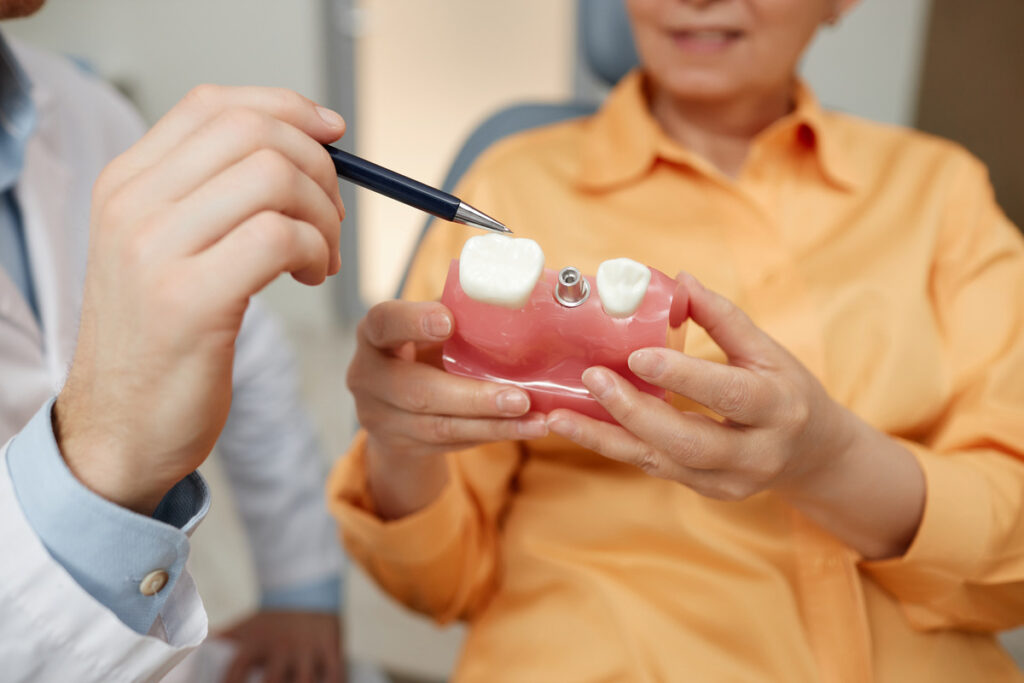
So, you’ve made the leap and invested in a beautiful, metal-free smile with ceramic dental implants. Congratulations! You’ve chosen a restoration that isn't just about looks; it's about biocompatibility and modern dental innovation. But now that the procedure is done, you might be wondering: “Do I treat these differently than my natural teeth? How do I make sure this investment lasts a lifetime?”
The good news is that ceramic (zirconia) implants are incredibly durable—often referred to as "ceramic steel"—but they still require a specific level of care to stay in peak condition. Whether you’re a local here in the United States looking to protect your new smile or just researching your options, this guide will walk you through the essential steps for long-term success.
In the U.S., dental implants have become the gold standard for tooth replacement, with approximately 3 million Americans already benefiting from them as of 2025. While titanium has traditionally dominated the market, ceramic implants are experiencing a massive surge in popularity, growing at nearly 15% annually.
Why the shift? Beyond the obvious aesthetic benefit (no gray metal lines at the gumline), ceramic implants offer a 10-year success rate of approximately 95.2%. However, achieving that "forever" smile requires more than just a successful surgery; it requires a dedicated home-care protocol.
Think of your implant like a natural tooth—it still needs consistent care.
Why this matters:
Plaque buildup around implants can lead to peri-implant mucositis, the most common complication, affecting over 1 in 4 patients . Left untreated, it can progress to peri-implantitis and implant failure.
Even perfect at-home care isn’t enough.
Studies show that long-term implant success is strongly tied to ongoing professional monitoring and maintenance.
Your implant relies on the surrounding bone and gum tissue for support.
Research indicates that bone loss around implants averages about 1.2 mm over 10 years, which is considered stable when properly maintained.
Some everyday habits can quietly damage your implant.
Clinical data show a significant link between smoking and implant failure.
Not all dental products are safe for ceramic implants.
Avoid overly abrasive products—they can scratch the implant surface and encourage plaque buildup.
Early detection can save your implant.
Addressing issues early can prevent complications like peri-implantitis, which occurs in a smaller percentage (around 6–7% of cases) but can lead to failure.
The first few months after implant placement are critical.
Successful osseointegration (bone fusion) is essential for long-term stability and can determine whether your implant lasts decades.
Ceramic implants are a reliable long-term solution.
These numbers show that with proper care, ceramic implants can perform as well as traditional titanium implants in many cases.
Ceramic dental implants offer a modern, metal-free solution for tooth replacement—but they’re not maintenance-free. The difference between an implant that lasts 5 years and one that lasts 20+ years often comes down to daily habits and professional care.
By maintaining excellent oral hygiene, attending regular dental visits, protecting your gums, and avoiding harmful habits, you can significantly increase your chances of long-term success. The data is clear: patients who follow proper care routines experience higher success rates and fewer complications.
1. How long do ceramic dental implants last?
With proper care, ceramic implants can last 10–20 years or longer, with survival rates exceeding 90% in long-term studies.
2. Are ceramic implants harder to maintain than titanium implants?
No. Maintenance is similar—both require consistent oral hygiene and regular dental visits.
3. Can ceramic implants get infections?
Yes. Conditions like peri-implant mucositis and peri-implantitis can occur, especially with poor oral hygiene.
4. What is the most common complication?
Peri-implant mucositis (gum inflammation) is the most common, affecting up to 26.7% of patients.
5. Do ceramic implants require special cleaning tools?
Yes, it’s best to use non-abrasive toothpaste, soft brushes, and implant-specific floss or interdental brushes to protect the surface.


Copyright © 2026 Whole Health Dentistry • Desert Ridge Medical Plaza 20950 North Tatum Blvd, Suite 300 Phoenix, AZ 85050 • Phone: 480.563.4141