
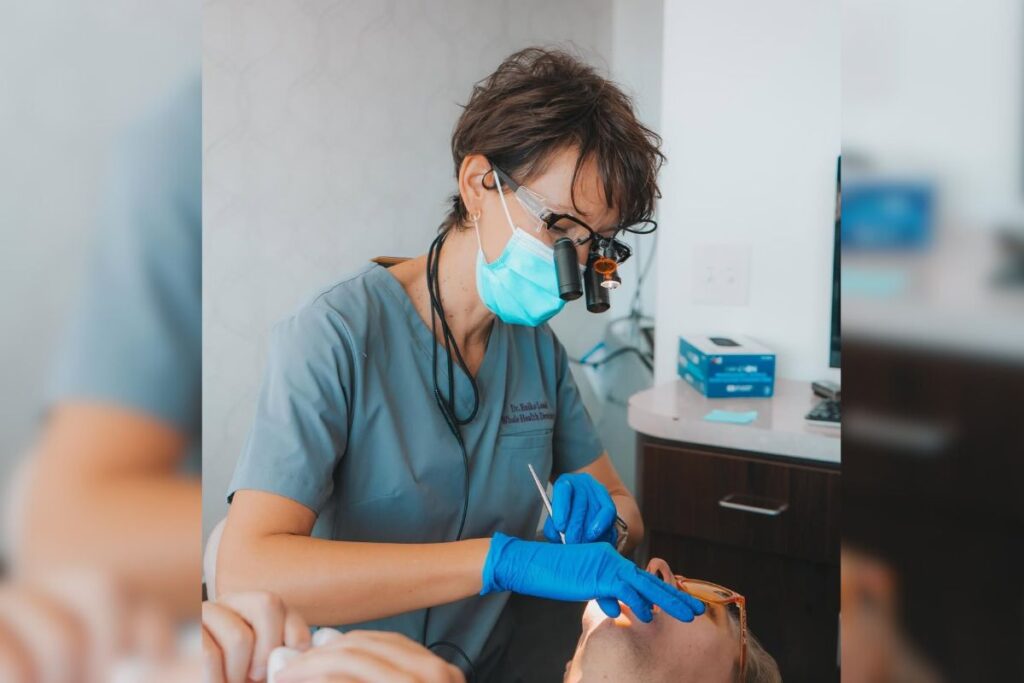
Choosing biological dental treatments means taking a closer look at how your oral health connects with your overall well-being. Before moving forward, it’s important to find a dentist trained specifically in biological and minimally invasive methods who uses safe, biocompatible materials.
What will be their approach to removing mercury fillings if applicable, their use of digital X-rays with reduced radiation, and strict sterilization procedures to keep your care safe. It’s also wise to discuss treatment costs, and ensure the practice prioritizes patient comfort and personalized care.
In this post, we’ll explore the basics of minimally invasive and preventive dentistry, what biological dental treatments involve, and key things to consider so you can make the best choice for your health and smile.
Minimally invasive dentistry focuses on preserving as much of your natural tooth structure as possible. Instead of jumping straight to drilling and filling, this approach looks for ways to stop problems early and support your teeth’s natural defenses.
Preventive dentistry is about catching issues before they start or grow worse. It includes regular cleanings, fluoride treatments, protective sealants, and patient education on habits that keep your mouth healthy. Together, these methods help reduce the need for more aggressive procedures down the line.
Biological dentistry, sometimes called holistic or biocompatible dentistry, considers the whole person, not just their teeth. It emphasizes treatments that work with your body’s natural healing processes, avoid harmful materials, and focus on overall wellness.
For example, biological dentists may avoid using mercury fillings or certain metals that can trigger sensitivities or inflammation in some patients. They also pay close attention to how dental materials and procedures affect your immune system, hormone balance, and overall health.
The goal is to support your body’s ability to heal while maintaining a healthy mouth, rather than just treating symptoms or repairing damage after the fact.
One of the biggest benefits of these approaches is preserving your natural teeth. The less your teeth are drilled or altered, the stronger and healthier they tend to stay over time. Avoiding unnecessary removal of tooth structure helps maintain proper bite alignment and reduces sensitivity.
Biological treatments also focus on reducing toxicity and inflammation in the body. This can make a big difference if you have allergies, autoimmune conditions, or general concerns about how dental care impacts your overall wellness.
Additionally, preventive care encourages you to take an active role in your oral health, giving you the tools and knowledge to avoid future problems and feel confident in your smile.
While biological and minimally invasive dentistry offers many benefits, it’s important to keep a few things in mind before making your decision:
Find the Right Provider
Not all dentists practice biological dentistry or are trained in minimally invasive techniques. Look for a provider who listens to your concerns, explains options clearly, and tailors care to your unique needs.
Understand Your Treatment Plan
Ask about what treatments will be done and why. A good biological dentist will focus on prevention first and only recommend restorative work when absolutely necessary.
Be Patient with the Process
Biological dental care often takes a more gradual approach. It may involve changes in diet, hygiene habits, or lifestyle along with dental treatments to support your body’s healing.
Know Your Materials
If you have sensitivities or health concerns, discuss which materials will be used in fillings, crowns, or other procedures to ensure they are biocompatible for you.
Insurance and Costs
Some biological dental services or preventive treatments may not be fully covered by insurance. It’s helpful to understand costs upfront and consider the long-term value of preserving your natural teeth.
At Whole Health Dentistry, we believe that your dental care should fit with your overall health goals. We focus on minimally invasive, preventive, and biological approaches that respect your body’s natural ability to heal.
If you’re interested in learning more about how minimally invasive and our biological dentistry can benefit you, contact us today.


Copyright © 2026 Whole Health Dentistry • Desert Ridge Medical Plaza 20950 North Tatum Blvd, Suite 300 Phoenix, AZ 85050 • Phone: 480.563.4141