
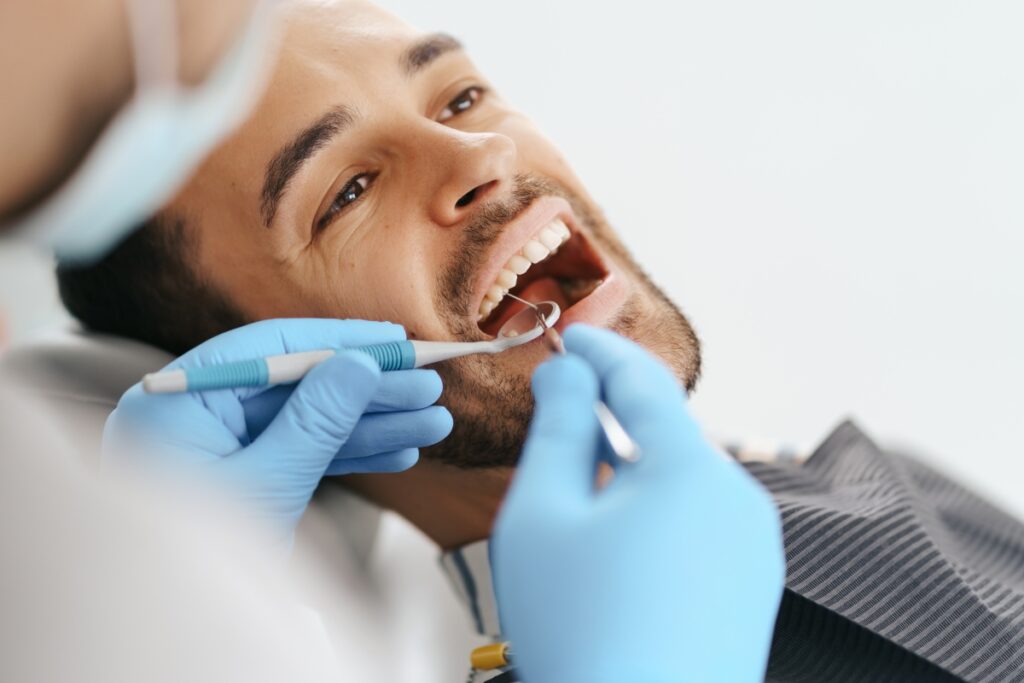
Have you ever considered that the health of your mouth might be a reflection of your entire body? Or perhaps you've felt uneasy about traditional materials like silver fillings that contain mercury? You're not alone.
In the United States, an increasing number of people are turning to biological dentistry—also known as holistic or integrative dentistry—for a health-centered approach that recognizes the profound connection between oral health and overall well-being. This philosophy moves beyond simply drilling and filling to focus on natural, non-toxic, and minimally invasive treatments.
But what does this shift actually look like in practice, and is it supported by data? Let's explore how biological dentists utilize natural and biocompatible treatments to provide you with a healthier, happier smile.
The most defining characteristic of biological dentistry is the staunch commitment to using non-toxic, biocompatible materials.
A core principle is the avoidance of dental amalgam (silver) fillings, which are typically about 50% mercury by weight. Mercury is a known toxin, and many biological dentists believe its use can pose long-term health risks.
While traditional dental implants are made of titanium, biological dentists often offer zirconia implants as a non-metal, biocompatible alternative. This choice aligns with the holistic view of avoiding metals that could potentially interfere with the body's energy systems or cause sensitivities in individuals who are susceptible.
Biological dentists place a strong emphasis on prevention and utilize the body's natural healing abilities, often through nutritional and topical therapies.
For remineralizing and strengthening tooth enamel without using fluoride—which some patients wish to avoid—biological dentists are increasingly turning to hydroxyapatite. Hydroxyapatite is the natural mineral that makes up most of the tooth structure.
Ozone is a natural form of oxygen with powerful antimicrobial properties. Biological dentists use ozone gas or ozonated water as a minimally invasive tool:
The fundamental difference in biological dentistry is the recognition that the mouth is not isolated from the rest of the body.
Biological dentistry in Phoenix offers a thoughtful, patient-centered evolution in oral healthcare. By prioritizing non-toxic materials, emphasizing prevention through nutrition, and utilizing natural treatments such as hydroxyapatite and ozone, these practitioners are helping Americans achieve healthier, more vibrant smiles that support the overall health of the body. If you're seeking a dental professional who looks beyond the tooth to see the whole person, a biological dentist may be the right choice for your family.
1. What are the key differences between a biological dentist and a traditional dentist?
The main difference is the philosophy. A traditional dentist primarily focuses on diagnosing and treating symptoms in the mouth using scientifically established methods and materials (which may include mercury amalgam and fluoride). A biological dentist employs a holistic approach, considering how treatments and materials affect the entire body's health. They strictly avoid toxic materials, emphasize biocompatibility testing, and often incorporate nutritional and natural therapies.
2. Are composite (mercury-free) fillings as durable as traditional amalgam fillings?
Yes, modern research suggests they are highly effective. A large-scale 2024 study indicated that composite resin restorations had a lower failure rate (11.98%) than amalgam restorations (17.49%) over a multi-year period, demonstrating their reliability.
3. Is biological dentistry more expensive?
While some specialized or custom-biocompatible materials may have a higher initial cost, many patients find that the preventative, whole-body approach can lead to long-term savings by reducing the need for costly future interventions or systemic disease management.
4. What is a "Safe Mercury Amalgam Removal Technique (SMART)"?
SMART is a strict set of safety protocols used by biological dentists when removing old mercury amalgam fillings. It involves using specialized equipment, such as high-volume suction, air filtration, and protective barriers (like a rubber dam), to minimize the patient's and the dental team's exposure to mercury vapor and particles during the process.
5. What can I use instead of fluoride for cavity prevention?
Biological dentists frequently recommend hydroxyapatite, the natural mineral component of tooth enamel. Clinical studies have shown that nano-hydroxyapatite in toothpastes is as effective as fluoride in remineralizing and preventing dental caries, providing an excellent non-fluoride option for strong teeth.


Copyright © 2026 Whole Health Dentistry • Desert Ridge Medical Plaza 20950 North Tatum Blvd, Suite 300 Phoenix, AZ 85050 • Phone: 480.563.4141