
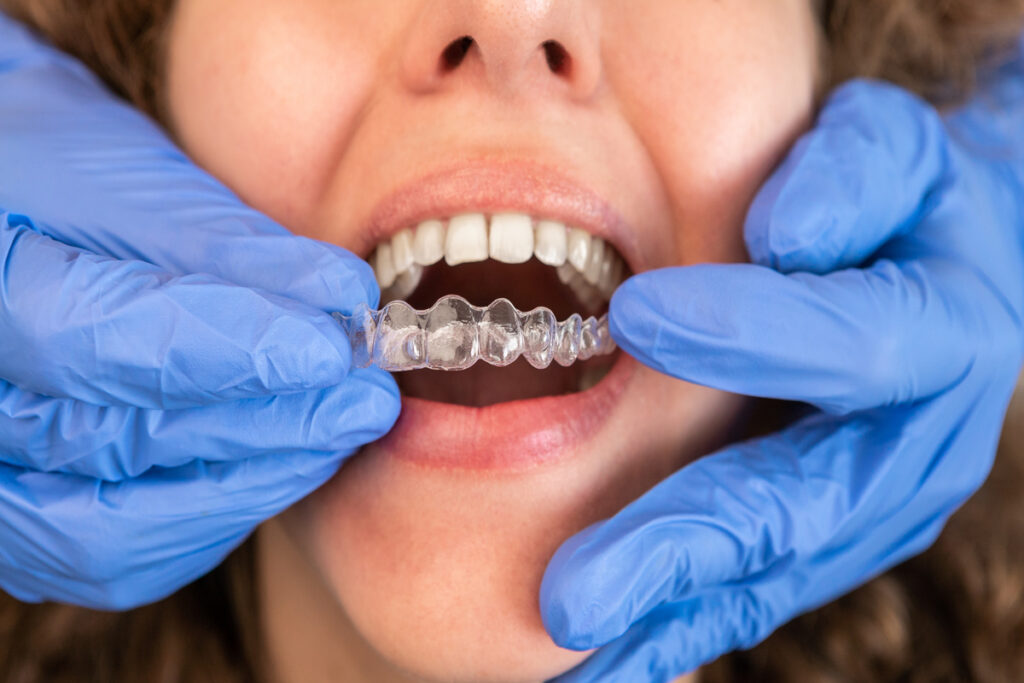
Getting a straighter smile used to mean a mouth full of metal for two years, but Invisalign has changed the game. However, with that freedom comes a big question: How much do I actually have to wear these things? If you’ve ever looked at your aligners sitting in their case while you enjoy a long lunch and wondered, "Is another thirty minutes really going to hurt?"—you aren’t alone. We’re diving into the complex data, the clinical stats, and the "why" behind the magic number of hours you need to keep those trays in your mouth.
If you ask any orthodontist in the United States, they’ll give you the same baseline: 20 to 22 hours per day. This isn't just a suggestion; it’s the foundation of the entire Invisalign system.
According to research published by the National Center for Biotechnology Information (NCBI), Invisalign aligners work by applying "gentle, continuous pressure" to move teeth. Unlike traditional braces, which are glued on and apply 24/7 force, Invisalign relies on the patient to manually maintain that pressure.
When you remove your aligners, the pressure stops. Worse, your teeth may begin to "relapse" or shift back toward their original positions almost immediately.
Invisalign aligners in Phoenix straighten teeth by applying continuous, gentle pressure. To be effective, this pressure needs to be constant.
Here’s what research and clinical instructions reveal:
A 2017 clinical analysis confirms that Invisalign treatments plan for patients to wear aligners 20–22 hours a day as part of the protocol to achieve predictable tooth movement.
Teeth won’t move fast just because the aligners are out less often. If you wear them less than recommended:
That’s because your teeth can start drifting back toward their original position the moment the aligners come off. It’s not noticeable day to day—but over weeks and months, the delay adds up.
Everyone knows the textbooks say 20–22 hours—but what do Invisalign patients report?
Here’s what real wearers are saying across online communities and surveys:
One systematic review found that only about 36% of patients consistently meet full compliance (≥22 hours daily).
In simple terms, only about 1 in 3 Invisalign patients actually wear their aligners as much as recommended every day.
First, don’t panic. Missing a couple of hours now and then won’t ruin your treatment. But there are consequences you should be aware of:
When your aligners aren’t on long enough:
What was scheduled as a 12-month plan can easily turn into 15–18 months if wear time is inconsistent.
Not hitting your daily hours might require:
Yes—kind of.
Every hour your aligners are out, the adequate pressure on your teeth decreases. Here’s the reality:
Removing aligners for 30–45 minutes 3 times a day (for 3 meals) plus brushing still can keep you within the 20–22 hour goal if well managed.
Sitting out for extra snack breaks or sipping coffee without them adds up fast.
Even if you’re averaging 20–21 hours per day most days, that’s usually good enough to stay close to your planned timeline—as long as you don’t make a habit of it.
Let’s be real: life happens. You shouldn’t feel stressed every time you take a bite or drink your smoothie. But these practical habits can help you stay on track:
Example:
The Invisalign app and third-party apps like TrayMinder let you log wear time and set reminders.
Eating three quick meals rather than frequent snacking can save time without aligners.
Reinsert your aligners immediately after brushing. Repeated delays add up!
Invisalign works—but only when you wear it. The recommended 20–22 hours a day isn’t arbitrary; it’s the range that gives your teeth the continuous pressure they need to shift predictably and efficiently.
Most people don’t hit the perfect 22 hours every day—and that’s okay. What matters most is consistency and effort over time. With smart habits, tracking, and the right mindset, you’ll stay on track and see the smile you planned for without making your life miserable.
1. Is it okay if I average 20 hours instead of 22 hours per day?
Yes! Averaging around 20 hours daily still keeps you close enough to the treatment goal, especially if you’re consistent most days.
2. What happens if I forget to wear them one day?
Missing a few hours occasionally won’t ruin your treatment—but don’t make a habit of it. Be consistent, and talk to your orthodontist if you feel behind.
3. Can wearing them less extend my treatment?
Yes. Consistently wearing aligners for fewer than the recommended hours can slow tooth movement and extend your treatment timeline.
4. Do I need to wear them while sleeping?
Absolutely. Most of your daily wear time will be at night—sleep counts!
5. Can I drink water with my aligners in?
Yes! Water is fine, but avoid any colored or sugary drinks with them in.


Copyright © 2026 Whole Health Dentistry • Desert Ridge Medical Plaza 20950 North Tatum Blvd, Suite 300 Phoenix, AZ 85050 • Phone: 480.563.4141