
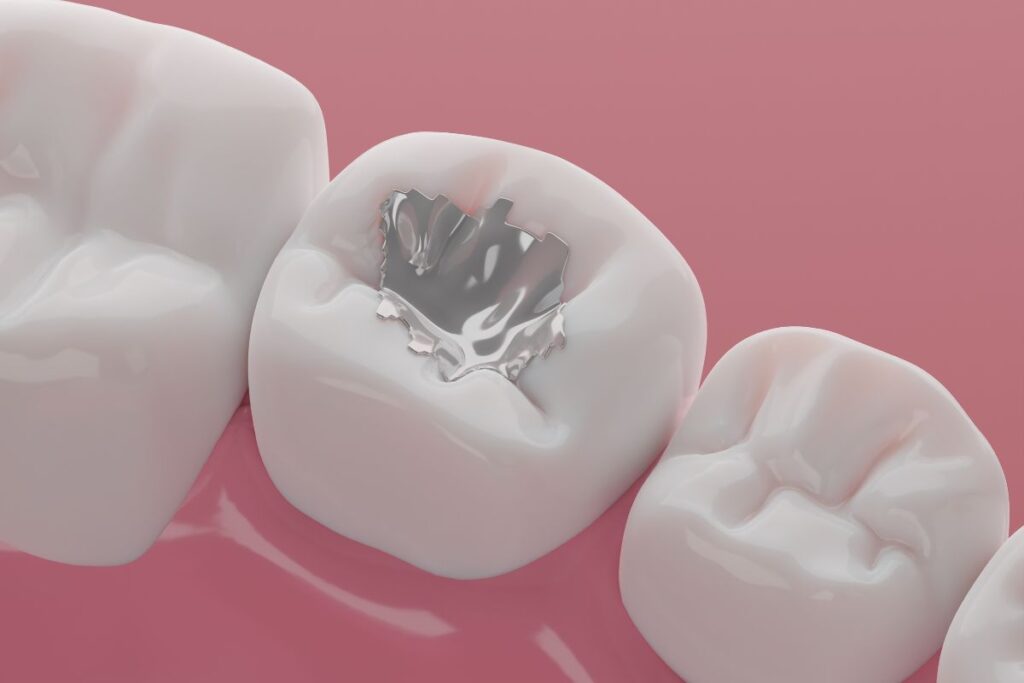
A broken amalgam filling can be a cause for concern. These fillings, often made of a mixture of metals like mercury, silver, tin, and copper, are commonly used to restore teeth that have been damaged by decay. While amalgam fillings are known for their durability, they are not indestructible. Over time, they can crack or break, leading to potential dental issues. But how dangerous is a broken amalgam filling? Let's explore this topic in detail.
Amalgam fillings have been used in dentistry for over a century. They are preferred by many dentists because of their strength and longevity. These fillings can withstand the forces of chewing and are typically used for molars where the pressure is greatest. However, like any dental material, they can wear down over time.
Several factors can contribute to the breaking of an amalgam filling:
1. Age of the Filling: Amalgam fillings can last for many years, but they are not permanent. The average lifespan of an amalgam filling is about 10 to 15 years. As they age, they can become brittle and more susceptible to cracking.
2. Biting and Chewing: Constant pressure from chewing can cause fillings to crack or break, especially if you frequently chew hard foods or grind your teeth.
3. Tooth Decay: If the tooth around the filling continues to decay, it can weaken the structure of the filling, leading to breakage.
4. Thermal Expansion and Contraction: Amalgam fillings expand and contract with temperature changes. Consuming hot or cold foods and beverages can cause the filling to expand and contract, which may eventually lead to cracking.
Identifying a broken amalgam filling early can prevent further dental issues. Here are some signs to look out for:
A broken amalgam filling can pose several risks to your dental health:
1. Tooth Decay: A cracked or broken filling can create gaps where bacteria can enter, leading to further tooth decay. This can damage the tooth structure and may require more extensive dental work to repair.
2. Infection: If bacteria enter the tooth through a broken filling, it can cause an infection. This can lead to an abscess, which is a painful condition that requires prompt treatment.
3. Mercury Exposure: Amalgam fillings contain mercury, which can be released if the filling is broken. Although the amount of mercury exposure from a broken filling is generally considered low, it is still a potential concern.
4. Structural Damage: A broken filling can compromise the structure of the tooth, making it weaker and more prone to breaking or cracking further.
If you suspect that you have a broken amalgam filling, it is important to see a dentist as soon as possible. Here are some steps you can take:
1. Schedule an Appointment: Contact your dentist to schedule an appointment. If you live in Phoenix, Arizona, you can find a reliable Phoenix dentist who can assess and repair your filling.
2. Avoid Chewing on the Affected Side: To prevent further damage or discomfort, try to avoid chewing on the side of your mouth with the broken filling.
3. Maintain Good Oral Hygiene: Continue to brush and floss your teeth regularly to keep the area clean and reduce the risk of infection.
4. Use Dental Wax: If the broken filling has created sharp edges that are irritating your mouth, you can use dental wax to cover the sharp area until you can see your dentist.
Your dentist will evaluate the condition of your broken filling and recommend the best course of action. Treatment options may include:
1. Replacing the Filling: If the damage is minor, your dentist may simply replace the broken filling with a new one.
2. Crown Placement: If the tooth structure is significantly weakened, your dentist may recommend placing a crown over the tooth to provide additional support and protection.
3. Root Canal: If the tooth decay has reached the pulp or if there is an infection, a root canal may be necessary to remove the infected tissue and save the tooth.
4. Tooth Extraction: In severe cases where the tooth cannot be saved, it may need to be extracted. Your dentist can then discuss options for replacing the missing tooth, such as a dental implant or bridge.
While it is not always possible to prevent a filling from breaking, there are steps you can take to reduce the risk:
A broken amalgam filling can be a serious issue if left untreated. It can lead to further tooth decay, infection, and structural damage to the tooth. If you suspect you have a broken filling, it is important to see a dentist promptly to assess and repair the damage. By maintaining good oral hygiene and visiting your dentist regularly, you can help prevent fillings from breaking and ensure your dental health is well-maintained. If you're in need of a reliable dentist in Phoenix, don't hesitate to schedule an appointment to address your dental concerns.


Copyright © 2026 Whole Health Dentistry • Desert Ridge Medical Plaza 20950 North Tatum Blvd, Suite 300 Phoenix, AZ 85050 • Phone: 480.563.4141