
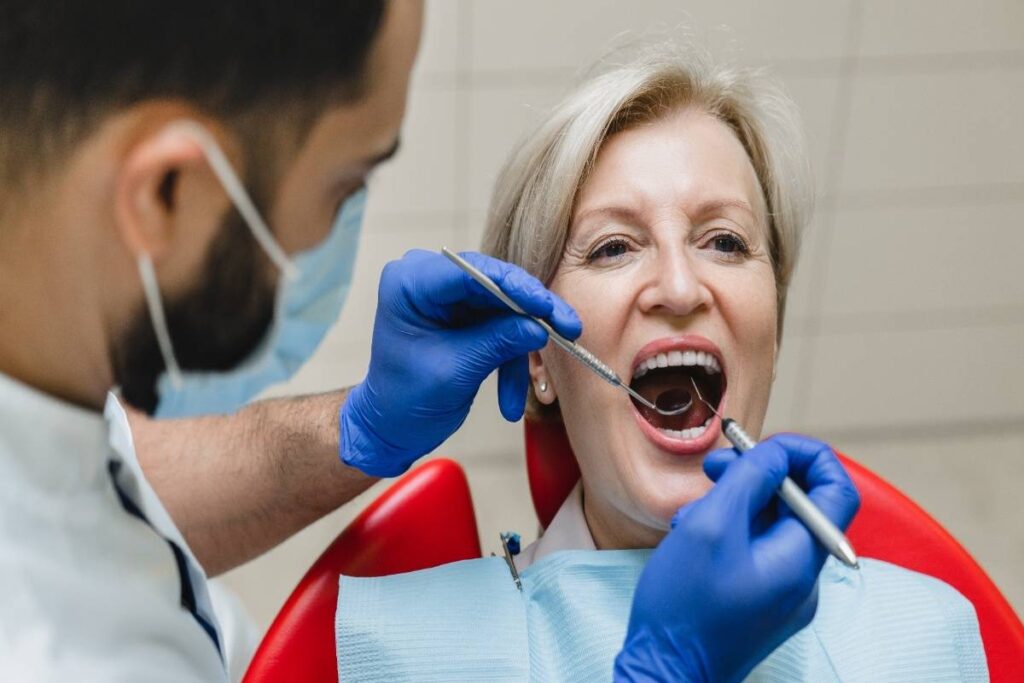
Have you ever looked in the mirror and wished for a brighter, more balanced smile—but wondered whether cosmetic dental treatments could also support your overall health? If you're researching Lumineers and biological dentistry, you're not alone.
More Americans today are seeking dental solutions that not only improve appearance but also align with a wellness-focused approach to healthcare. Patients increasingly want treatments that preserve natural tooth structure, use biocompatible materials, and support long-term oral health.
Lumineers have become a popular cosmetic dentistry option because they offer a minimally invasive way to improve the appearance of teeth. At the same time, biological dentistry emphasizes the relationship between oral health and overall well-being. Together, these concepts have sparked growing interest among patients seeking smile enhancements that align with a holistic dental philosophy.
According to the American Academy of Cosmetic Dentistry (AACD), approximately 99.7% of adults consider a smile an important social asset, and surveys consistently show that people view an attractive smile as a key factor in confidence and personal interactions. Meanwhile, the Centers for Disease Control and Prevention (CDC) reports that nearly 47% of adults aged 30 and older have some form of periodontal disease, highlighting the importance of maintaining oral health as part of overall wellness.
So, can Lumineers support oral and whole-body health within a biological dentistry approach? The answer depends on several factors, including oral health status, treatment goals, material compatibility, and proper dental care.
In this guide, we'll explore what Lumineers are, how biological dentistry works, the potential benefits and limitations of Lumineers, and how cosmetic dental treatments may fit into a comprehensive oral wellness plan.
The mouth serves as an entry point to the rest of the body.
When oral disease develops, bacteria and inflammation may affect overall health.
According to the CDC, untreated gum disease has been associated with:
It's important to note that association does not necessarily prove direct causation. However, maintaining oral health is widely recognized as an important component of overall health.
This is one reason many patients seek preventive and minimally invasive dental treatments.
While Lumineers are primarily a cosmetic treatment, they may indirectly contribute to oral health in certain situations.
1. Preservation of Natural Tooth Structure
One of the most frequently cited benefits of Lumineers is their conservative design.
Traditional veneers often require removal of a portion of enamel.
Lumineers may require:
Preserving healthy tooth structure aligns with one of the core principles of Phoenix biological dentistry.
2. Protection of Worn Enamel
In some cases, Lumineers may cover teeth affected by:
This can help improve appearance while protecting exposed surfaces.
However, underlying causes of wear should always be addressed before cosmetic treatment.
3. Improved Smile Confidence
According to studies published in dental and psychological journals, individuals who feel confident about their smiles often report improvements in:
While confidence itself is not a direct benefit to oral health, emotional well-being contributes to overall quality of life.
4. Smooth Porcelain Surface
Porcelain is generally resistant to staining and plaque accumulation when properly maintained.
Good oral hygiene remains essential, but high-quality porcelain restorations may support easier cleaning compared to rough or damaged tooth surfaces.
This question requires a balanced and evidence-based answer.
This often leads to:
Supporting Oral Function
Minor corrections in tooth shape or wear patterns may improve comfort in certain situations.
Promoting Emotional Well-Being
The National Institutes of Health recognizes that psychological health is an important component of overall wellness.
Improved smile confidence may positively influence:
Biocompatibility is an important concept in biological dentistry.
Biocompatible materials are designed to function safely within the body without causing harmful reactions.
Porcelain used in Lumineers is generally regarded as:
However, individual sensitivities vary.
Some biological dentists may recommend additional evaluation when patients have a history of material sensitivities.
Lumineers may be appropriate for patients with:
Candidates should ideally have:
A comprehensive dental evaluation is necessary before treatment.
Lumineers are not suitable for every patient.
Limitations may include:
Active infection should be treated before cosmetic procedures.
Severe Tooth Damage
Large fractures or extensive decay may require:
Teeth Grinding
Patients with severe bruxism may place excessive forces on veneers.
Protective treatment may be necessary.
One of the strongest areas of overlap between Lumineers and biological dentistry is prevention.
Biological dentists often emphasize:
A balanced diet supports:
Oral Hygiene Education
Daily home care remains one of the most effective ways to support oral and systemic health.
Proper maintenance helps protect both natural teeth and restorations.
Avoid Using Teeth as Tools
Do not:
These habits can damage restorations.
Current research supports several key conclusions:
However, no scientific evidence currently shows that Lumineers themselves directly improve systemic medical conditions.
Their greatest contribution lies in smile enhancement and supporting a comprehensive oral health strategy.
Lumineers can play a valuable role within a biological dentistry approach when used appropriately and combined with excellent oral health practices. Their minimally invasive design, ability to preserve natural tooth structure, and use of durable porcelain materials align with many of the principles emphasized in biological dentistry.
While Lumineers are primarily cosmetic and do not directly treat systemic health conditions, they may indirectly support overall wellness by promoting better oral hygiene, protecting tooth structure, and improving confidence in one's smile. Most importantly, successful outcomes depend on maintaining healthy gums, addressing any underlying dental issues, and working with a qualified dental professional who prioritizes both aesthetics and long-term oral health.
For patients seeking a beautiful smile while embracing a wellness-focused philosophy, Lumineers may be one component of a comprehensive strategy that supports both oral health and quality of life.
Lumineers may preserve more natural tooth structure because they often require less enamel removal. Suitability depends on the individual case.
No. Lumineers are cosmetic restorations and do not treat gum disease or infections.
Some biological dentists provide Lumineers or similar porcelain veneer options as part of a minimally invasive treatment philosophy.
Porcelain is generally considered a highly biocompatible dental material and is well tolerated by most patients.
Research suggests that improved smile confidence may positively influence self-esteem, social interactions, and quality of life, although cosmetic dentistry does not directly treat medical conditions.


Copyright © 2026 Whole Health Dentistry • Desert Ridge Medical Plaza 20950 North Tatum Blvd, Suite 300 Phoenix, AZ 85050 • Phone: 480.563.4141