
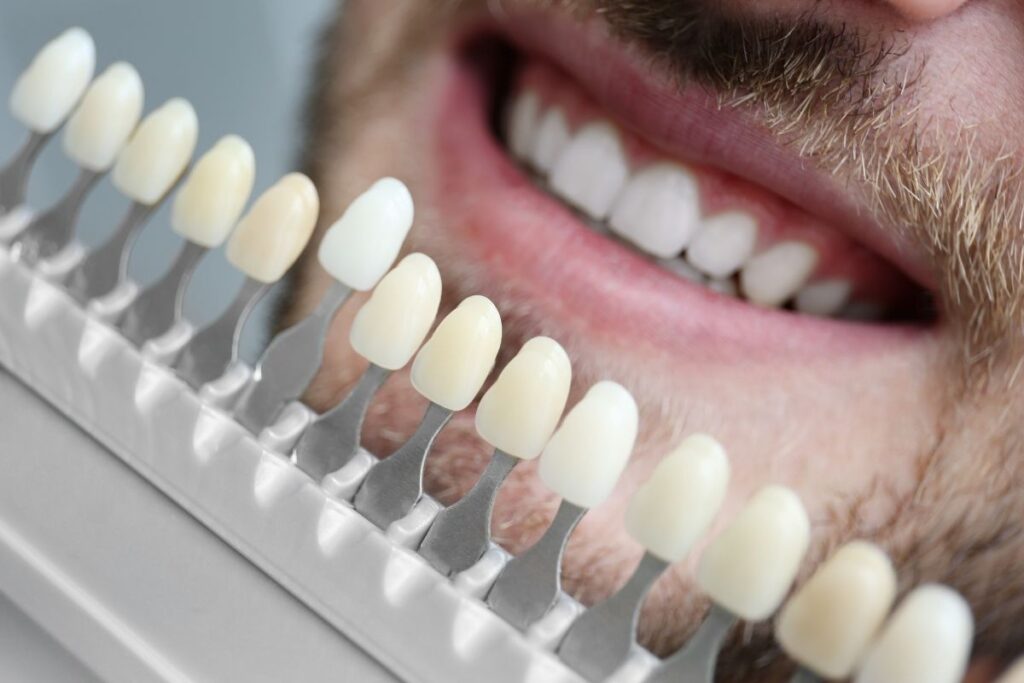
When it comes to achieving a beautiful smile, cosmetic dentistry offers various solutions, with Lumineers and veneers being two popular options. While both improves the appearance of your teeth, they have distinct differences that make them suitable for different needs and preferences. In this blog, we’ll explore the key differences between Lumineers and veneers, helping you make an informed decision about which option might be best for you.
Lumineers are a type of dental veneer known for being ultra-thin and highly translucent. They replicate the natural appearance of tooth enamel. Individuals uses Lumineers who are looking to enhance the color, shape, and overall appearance of their teeth without undergoing extensive dental procedures.
One of the most significant advantages of Lumineers is that they require minimal preparation of the natural tooth structure. In many cases, there is no need for anesthesia or extensive drilling for application of Lumineers. The process typically involves the following steps:
Veneers are custom-made shells that cover the front surface of the teeth. They are typically made from porcelain or composite resin and are designed to improve the appearance of teeth that are discolored, worn, chipped, or misaligned.
The process of applying veneers is more involved than Lumineers and typically requires the removal of a thin layer of enamel from the front of the teeth. The steps include:
Lumineers are ultra-thin and require minimal tooth preparation, often preserving more of the natural tooth.
Veneers require the removal of some enamel to ensure a proper fit and natural appearance.
Lumineers can often be applied without anesthesia or extensive drilling.
Veneers typically require more preparation and may involve local anesthesia.
Both Lumineers and veneers are durable, but traditional veneers tend to have a longer lifespan due to their thicker, more substantial nature.
Veneers offer a more natural and versatile solution for significant cosmetic issues, while Lumineers are ideal for minor corrections.
Choosing between Lumineers and veneers depends on your specific dental needs, aesthetic goals, and budget. It's essential to consult with a cosmetic dentist who can assess your situation and recommend the best option. Whether you are looking to address discoloration, minor misalignment, or other cosmetic concerns, both Lumineers and veneers offer effective solutions to enhance your smile.
Whole Health Dentistry is committed to helping you achieve the smile of your dreams. Our experienced team offers personalized consultations to determine the most suitable dental treatments for you.
Ready to transform your smile? Visit Whole Health Dentistry for lumineers Phoenix, AZ, and discover the best dental solutions for you. Call us at 480-563-4141 or visit our dental clinic located in 20950 North Tatum Blvd, Suite 300, Phoenix AZ 85050 to schedule your consultation today!


Copyright © 2026 Whole Health Dentistry • Desert Ridge Medical Plaza 20950 North Tatum Blvd, Suite 300 Phoenix, AZ 85050 • Phone: 480.563.4141