Choosing dental implants is an important decision when replacing missing teeth. Although both zirconia and titanium dental implants can provide a stable, natural-looking replacement for missing teeth, they differ in material composition, appearance, strength, clinical history, and long-term research.
If you are considering dental implants in Phoenix, AZ, you may wonder which material offers better durability, looks more natural, or works best with your jawbone. Is zirconia a better option? How is it metal-free? Does titanium have a longer track record? And how should you decide which implant is right for your needs?
At Whole Health Dentistry, understanding your treatment options is key an making an informed decision. Dr. Eniko Loud can help evaluate your oral health, jawbone condition, and tooth replacement goals before recommending an appropriate treatment approach.
Both materials have advantages, but neither is automatically the best choice for every patient. Understanding their differences can help you have a more productive conversation with your dentist.
What Are Dental Implants?
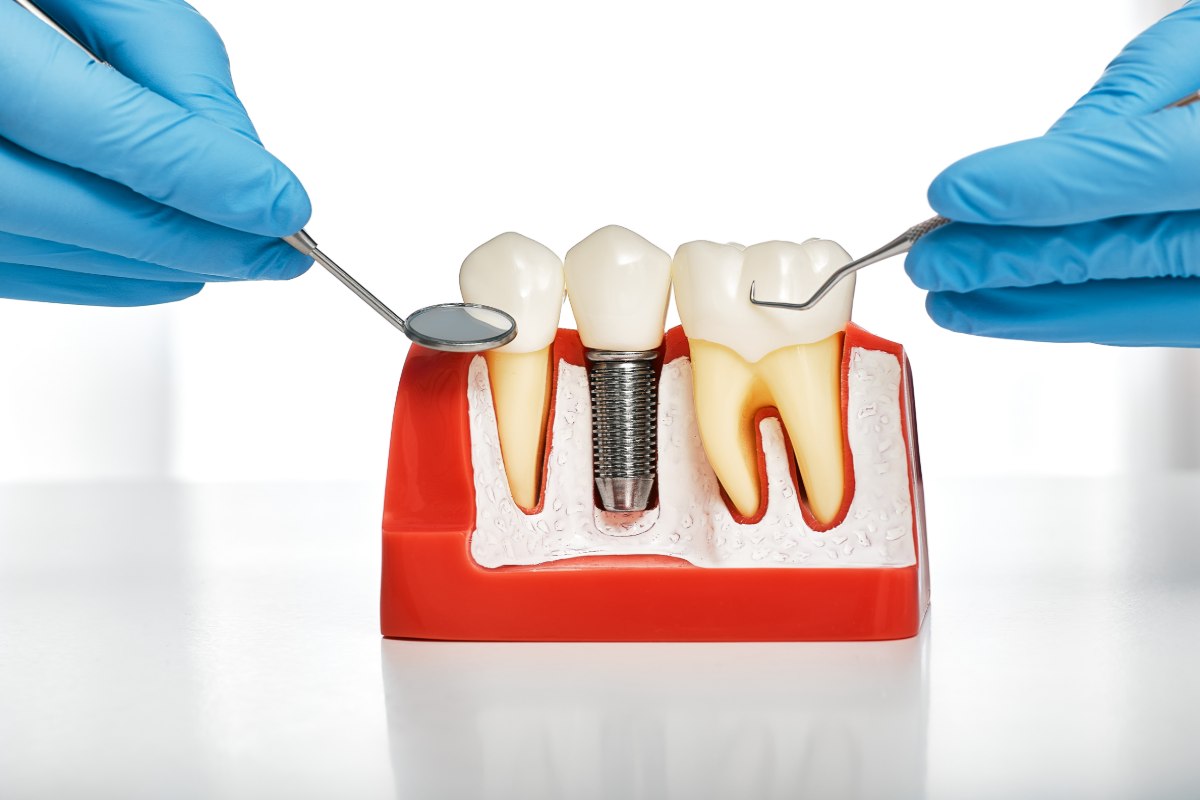
Dental implants are artificial tooth roots placed into the jawbone to support replacement teeth. They commonly replace one missing tooth, several missing teeth, or an entire arch.
A traditional dental implant restoration generally consists of three components:
- Implant fixture: The small post surgically placed into the jawbone.
- Abutment: The connector that attaches the replacement tooth to the implant.
- Dental crown: The visible restoration designed to resemble a natural tooth.
After placement, the implant undergoes a biological process called osseointegration. During this process, the surrounding bone grows and bonds with the implant surface, creating a stable foundation for the replacement tooth.
Titanium has been widely used for dental implants for decades. Zirconia, a ceramic material, has become an alternative for patients and dental professionals interested in metal-free implant options.
What Are Titanium Dental Implants?
Titanium dental implants are made from commercially pure titanium or titanium alloys. They are among the most established options in modern implant dentistry because of their strength, biocompatibility, and ability to integrate with the jawbone.
Titanium is a lightweight metal that forms a protective oxide layer on its surface. This layer contributes to its corrosion resistance and compatibility with the body’s tissues.
Key fracture resistance of titanium implants includes:
- High mechanical strength and fracture resistance.
- Extensive clinical research and long-term evidence.
- Reliable osseointegration when appropriate conditions are present.
- Availability in different shapes, sizes, and implant designs.
- Compatibility with a wide range of restorative treatment plans.
Titanium implants are available in different configurations, including one-piece and two-piece systems. Two-piece implants let the implant fixture and abutment connect separately, providing flexibility during restorative treatment.
For patients who need to replace missing teeth in different areas of the mouth, titanium offers a well-established treatment option.
What Are Zirconia Dental Implants?
Zirconia dental implants in Phoenix are made from zirconium dioxide, a high-strength ceramic material. Unlike titanium, zirconia is not a metal. Its white or ivory appearance makes it an appealing alternative for people interested in metal-free dental restorations.
Zirconia is known for its hardness, biocompatibility, and corrosion resistance. It is also used in other dental restorations, including crowns and bridges.
Key characteristics of zirconia implants include:
- Metals are corrosion-resistant.
- Naturally white or tooth-colored appearance.
- Corrosion resistance.
- Good tissue compatibility.
- Potential aesthetic advantages in certain clinical situations.
Many zirconia implant systems are manufactured as one-piece or two-piece designs, depending on the manufacturer and product.
Because zirconia is a ceramic, its mechanical behavior differs from titanium. It can be strong under appropriate loading conditions but is generally more brittle than titanium. This distinction is important when evaluating implant placement, bite forces, and restoration design.
Zirconia may be considered by patients who prefer a ceramic alternative, but its suitability depends on individual clinical circumstances.
Zirconia vs. Titanium Dental Implants: What Are the Main Differences?
Although both materials can support replacement teeth, they differ in several important ways.
| Feature | Titanium Implants | Zirconia Implants |
| Material | Metal | Ceramic |
| Appearance | Metallic beneath the restoration | White or ivory |
| Biocompatibility | Well established | Generally favorable |
| Strength | High tensile and fatigue strength | Hard but more brittle |
| Corrosion resistance | Excellent protective oxide layer | Excellent ceramic corrosion resistance |
| Clinical history | Several decades of extensive research | More limited long-term evidence |
| Implant designs | Extensive variety | Fewer established configurations |
| Metal-free option | No | Yes |
The most appropriate material depends on your jawbone, gum tissue, bite, aesthetic expectations, and overall oral health.
1. Material Composition and Appearance
The most noticeable difference between zirconia and titanium implants is their appearance.
Titanium has a metallic gray color. Although the implant is hidden beneath the gums and replacement tooth in most cases, a thin gum tissue layer or recession can sometimes reveal a grayish shade around the restoration.
Zirconia is white and more closely resembles natural tooth structure. This can be advantageous when replacing teeth in visible areas, particularly for patients with thin gum tissue.
However, an implant’s color does not automatically determine the final appearance of the restoration. Crown material, gum thickness, implant positioning, and soft tissue health also influence the aesthetic outcome.
If you’re concerned about how an implant will look when you smile, discuss these factors with your dentist.
2. Strength and Durability
Strength is another important consideration when comparing zirconia and titanium dental implants.
Titanium is known for its excellent mechanical properties. It can withstand substantial chewing forces and has a long history of successful use in implant dentistry. Its flexibility also allows it to absorb and distribute certain forces without fracturing easily.
Zirconia is a strong ceramic material, but it behaves differently under pressure. Unlike titanium, it is more brittle and may be more susceptible to fracture under unfavorable loading conditions.
This does not mean zirconia implants are unsuitable for everyday chewing. Modern zirconia implant systems are designed to withstand functional forces. However, implant diameter, positioning, bite alignment, and restoration design matter most.
Patients who grind or clench their teeth may require additional evaluation before choosing either material.
3. Osseointegration and Jawbone Compatibility
Both titanium and zirconia implants can integrate with the jawbone through osseointegration.
Titanium has a well-documented history of predictable bone integration. Its surface characteristics support bone cell attachment, helping create a stable foundation for replacement teeth.
Zirconia also demonstrates favorable bone integration. Research indicates that zirconia surfaces can support bone attachment and healing under appropriate clinical conditions.
A 2024 systematic review and meta-analysis published in the Journal of Clinical Medicine compared randomized controlled trials involving zirconia and titanium implants. The researchers found differences in some one-year outcomes, with titanium showing higher survival and less marginal bone loss in the included studies. However, the findings should be interpreted in the context of differences in implant designs and the relatively limited clinical evidence.
Your jawbone condition, surgical technique, implant surface, and healing process all contribute to successful integration.
4. Long-Term Success and Clinical Research
How long will a dental implant last? This is one of the most common questions patients ask when considering tooth replacement.
Titanium implants have been studied extensively over several decades. Their long-term performance is supported by a substantial body of clinical research.
Zirconia implants have also demonstrated encouraging results, but fewer long-term comparative studies are available.
A 2023 systematic review published in Clinical Oral Investigations examined 6040 research records and included four studies involving 199 implants: 100 zirconia and 99 titanium. The researchers found no statistically significant difference in short-term survival at 12 months, although they emphasized the need for additional long-term research.
Another 2023 systematic review evaluated 637 implants across 10 studies. The reported survival rates were:
- Titanium implants: 97.7%.
- Titanium-zirconium implants: 98.6%.
- Zirconia implants: 93.8%.
The researchers reported lower survival in the zirconia group, but also noted that the available sample size limited the conclusions that could be drawn.
These numbers should not be interpreted as guaranteed outcomes for an individual patient. Implant brand, design, patient health, maintenance, and follow-up periods can influence reported results.
The important takeaway is that titanium currently has a more established long-term evidence base, while zirconia continues to develop as an alternative.
5. Gum Health and Soft Tissue Response
Healthy gums are essential for protecting dental implants and maintaining their stability.
Both zirconia and titanium are considered biocompatible implant materials. The U.S. Food and Drug Administration (FDA) explains that dental implant systems commonly use titanium or zirconium oxide and undergo safety evaluations, including biocompatibility testing.
Some research has investigated whether zirconia may offer advantages in soft tissue response or plaque accumulation. Its ceramic surface and white color have attracted attention in aesthetic implant dentistry.
However, clinical evidence is not consistent enough to conclude that zirconia universally produces healthier gums than titanium.
The long-term condition of the gum tissue depends on several factors, including:
- Daily brushing and flossing.
- Plaque control around the implant.
- Proper implant positioning.
- Healthy gum tissue before surgery.
- Regular professional examinations.
- Management of gum disease and other risk factors.
Regardless of the material selected, good oral hygiene remains essential.
6. Metal-Free Benefits: Is Zirconia Better for Metal-Sensitive Patients?
Some patients prefer to avoid metal-based dental restorations because of personal preferences or concerns about material sensitivity.
Zirconia offers a metal-free ceramic alternative. This may appeal to patients who want a restoration without a metallic implant component.
However, titanium implants are generally well tolerated, and true titanium hypersensitivity is considered uncommon. A preference for metal-free treatment does not necessarily mean a patient has a titanium allergy.
If you have experienced reactions to medical or dental materials, discuss your history with your dentist before choosing an implant.
Your dentist can help determine whether additional evaluation is appropriate and whether zirconia is a reasonable alternative.
7. Which Dental Implant Material Is Better for Front Teeth?
Replacing a missing front tooth requires particular attention to appearance because the restoration is highly visible when speaking and smiling.
Zirconia’s white color can offer an aesthetic advantage when thin gum tissue might allow the underlying implant material to show through.
Titanium can also produce excellent aesthetic results when the implant is positioned correctly and supported by appropriate restorative materials and healthy gum tissue.
The most important considerations include:
- Gum thickness and tissue shape.
- Available jawbone volume.
- Implant positioning.
- Type of abutment and crown.
- The patient’s aesthetic expectations.
A white implant is not automatically the better option for every front tooth replacement. Treatment planning should consider the entire restoration, not just material color.
8. Which Implant Is Better for Back Teeth?
Back teeth experience considerable chewing forces because they help break down food.
Titanium is frequently considered for posterior tooth replacement because of its strength, flexibility, and extensive clinical history.
Zirconia implants may also be appropriate in selected cases. However, their mechanical properties require careful consideration, especially for patients with strong bite forces or a history of teeth grinding.
For example, someone missing a molar who regularly clenches their teeth may need a different treatment approach from someone replacing a front tooth with lighter functional demands.
Dr. Eniko Loud can evaluate your bite, jawbone condition, and restoration needs to determine the right implant material.
9. How Do You Choose Between Zirconia and Titanium Implants?
Choosing between zirconia and titanium requires more than comparing material specifications. Your overall dental health and treatment goals should guide the decision.
During an implant consultation, your dentist may consider:
- Jawbone density: Adequate bone volume is important for supporting the implant. Bone grafting may be necessary if you have bone loss.
- Gum condition: Active periodontal disease and inflammation should be addressed before implant placement.
- Missing tooth location: Front and back teeth have different aesthetic and functional demands.
- Bite pressure: Grinding, clenching, and bite alignment can influence implant selection.
- Medical history: Certain health conditions, medications, and lifestyle factors may affect healing.
- Restoration preferences: Patients may prefer metal-free materials, specific aesthetics, or particular implant designs.
Imaging, clinical examinations, and a review of your medical and dental history help establish a treatment plan.
At Whole Health Dentistry, Dr. Eniko Loud can discuss the available options and explain the considerations involved in replacing missing teeth.
10. How Can You Maintain Zirconia or Titanium Dental Implants?
Whether you choose zirconia or titanium, proper maintenance is essential to protect your investment.
Dental implants cannot develop cavities like natural teeth, but the surrounding gum tissue and supporting bone can become infected or inflamed.
Peri-implant mucositis is inflammation affecting the soft tissue around an implant. If it progresses and involves supporting bone loss, it may develop into peri-implantitis.
To help maintain your implants:
- Brush twice daily using a soft-bristled toothbrush.
- Clean between your teeth and around implants every day.
- Use floss, interdental brushes, or other cleaning tools your dentist recommends.
- Avoid smoking, which can negatively affect healing and implant health.
- Attend regular dental examinations and professional cleanings.
- Wear a recommended night guard if you grind or clench your teeth.
Do not ignore bleeding, swelling, discomfort, or changes around an implant. Early evaluation can help identify problems before they become more serious.
Conclusion: Zirconia vs. Titanium Dental Implants
Both zirconia and titanium dental implants offer valuable options for replacing missing teeth. Titanium stands out for its mechanical strength, extensive clinical history, and well-established long-term research. Zirconia offers a metal-free alternative with a naturally white appearance and promising clinical results.
However, neither material is automatically the best choice for every patient. Your jawbone condition, gum health, bite pressure, tooth location, aesthetic expectations, and medical history should all be considered before treatment.
If you are considering dental implants in Phoenix, AZ, schedule a consultation with Dr. Eniko Loud at Whole Health Dentistry. Discuss your tooth replacement goals, explore available implant materials, and learn which approach may best support your oral health.
Visit our dental practice in Phoenix, AZ. Book now to schedule your appointment with our team.
Frequently Asked Questions About Dental Care
1. What dental services can I receive at Whole Health Dentistry?
Dental care can include preventive examinations, professional cleanings, restorative treatments, and other procedures based on individual oral health needs. Our dentist can evaluate your teeth and gums and recommend appropriate treatment options.
2. How often should I visit the dentist?
Most patients benefit from dental examinations and professional cleanings every six months. However, our dentist may recommend more frequent visits if you have gum disease, a history of cavities, or other oral health concerns.
3. What should I expect during my first dental appointment?
Your first appointment generally involves reviewing your medical and dental history, examining your teeth and gums, and discussing any concerns. Our dentist can recommend additional imaging or treatment if necessary.
4. How can I maintain healthy teeth and gums between dental visits?
Brush twice daily with fluoride toothpaste, clean between your teeth every day, limit sugary snacks and beverages, and attend regular dental appointments. Our dentist can also recommend oral hygiene products based on your needs.
5. How do I schedule an appointment at Whole Health Dentistry?
Contact Whole Health Dentistry to discuss your dental concerns and schedule an appointment. Our dentist can help you understand your treatment options and plan the next steps for your oral health.