
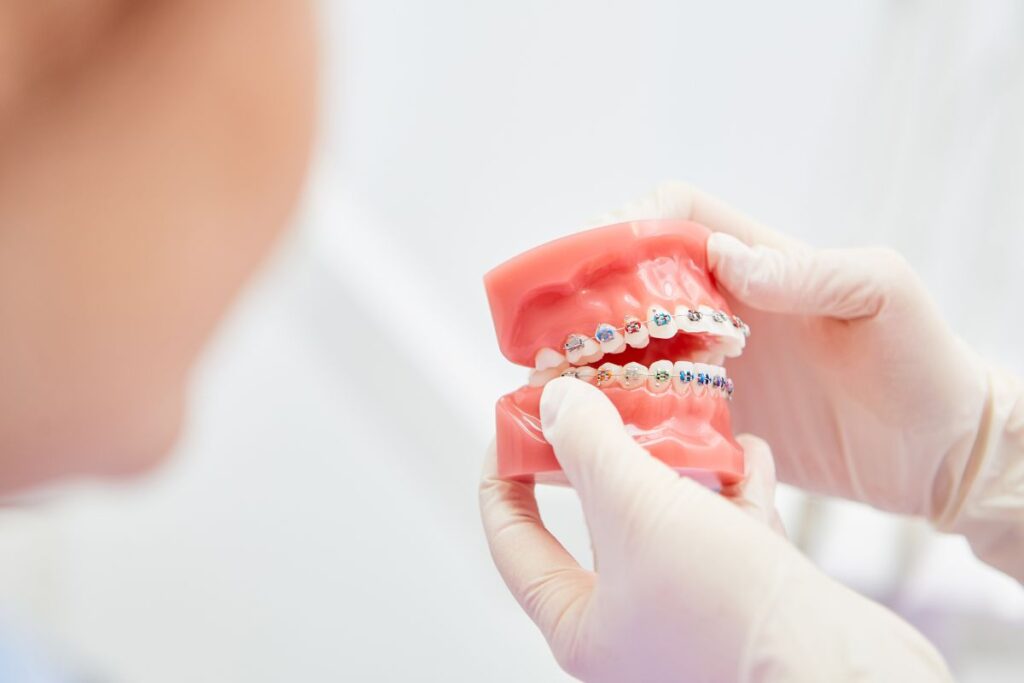
Malocclusion, commonly known as a misalignment of teeth, is a prevalent dental issue that affects a significant portion of the population. This condition not only impacts the aesthetic appearance of your smile but can also lead to various dental health problems if left untreated. Traditionally, metal braces have been the go-to solution for correcting malocclusion. However, in recent years, Invisalign has emerged as a popular alternative. In this blog, we will explore whether Invisalign can effectively treat malocclusion and provide a comprehensive understanding of this innovative orthodontic treatment.
Malocclusion refers to the misalignment of teeth when the jaws are closed. It can manifest in several forms, including overcrowded teeth, overbite, underbite, crossbite, and open bite. These misalignments can result from genetic factors, early loss of baby teeth, prolonged thumb-sucking, or other habits that influence jaw development.
Invisalign is a modern orthodontic treatment that uses clear, removable aligners to straighten teeth. Unlike traditional metal braces, Invisalign aligners are nearly invisible, making them an appealing option for those who are conscious about their appearance during treatment.
The Invisalign treatment process involves the following steps:
Invisalign has proven to be effective in treating various types of malocclusion. However, its suitability depends on the severity and complexity of the case.
Effectiveness of Invisalign for Different Types of Malocclusion
While Invisalign is a versatile and innovative treatment, it does have its limitations. Severe malocclusion cases that require significant jaw alignment or extensive tooth movement might not be fully correctable with Invisalign alone. In such cases, traditional braces or a combination of treatments may be recommended by orthodontists.
Invisalign offers several advantages over traditional braces, making it an attractive option for many patients.
One of the most significant benefits of Invisalign is its nearly invisible appearance. The clear aligners are difficult to detect, allowing patients to undergo treatment without the noticeable presence of metal brackets and wires.
Invisalign aligners are made from smooth plastic, reducing the discomfort often associated with metal braces. There are no wires to poke or irritate the inside of your mouth. Additionally, the aligners are removable, making it easier to maintain oral hygiene and enjoy your favorite foods without restrictions.
The use of advanced 3D imaging technology allows for precise planning of tooth movements, leading to predictable and efficient results. Patients can visualize their treatment plan and see the expected outcome before starting the process.
In many cases, Invisalign treatment can be completed in a shorter time compared to traditional braces. However, the exact duration depends on the complexity of the case and the patient’s adherence to wearing the aligners as instructed.
Invisalign can be an effective solution for treating various types of malocclusion, particularly mild to moderate cases. Its clear aligners offer a discreet and comfortable alternative to traditional metal braces, making it a popular choice among patients seeking orthodontic treatment. If you are considering Invisalign in Phoenix it is essential to consult with an experienced orthodontist to determine the best treatment plan. By addressing malocclusion, you can achieve a healthier, more attractive smile and improve your overall dental health.


Copyright © 2026 Whole Health Dentistry • Desert Ridge Medical Plaza 20950 North Tatum Blvd, Suite 300 Phoenix, AZ 85050 • Phone: 480.563.4141