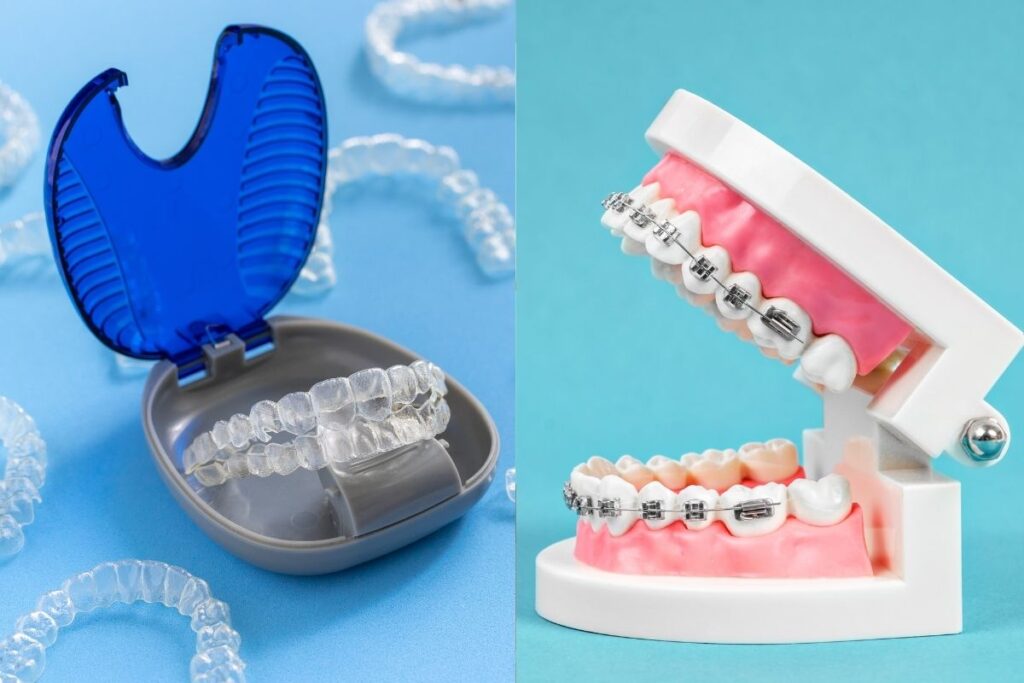
When it comes to achieving a perfect smile, two popular options often come to mind: Invisalign and traditional braces. Both methods have proven effective in correcting dental issues, but deciding which one is best for you depends on various factors. In this blog, we'll explore the benefits and drawbacks of each to help you make an informed decision.
Understanding Traditional Braces
Traditional braces have been used for decades to correct misaligned teeth and bite issues. They consist of metal brackets glued to the teeth, connected by wires and rubber bands. Over time, the braces apply pressure to move teeth into the desired position.
Pros of Traditional Braces
- Effective for Complex Issues: Braces are highly effective for treating complex dental issues, including severe misalignment, large gaps, and bite problems.
- Constant Correction: Since braces are fixed, they provide continuous pressure, ensuring steady progress.
- Customization: Modern braces come in various options, including ceramic and lingual braces, which are less noticeable than traditional metal braces.
Cons of Traditional Braces
- Appearance: The most significant drawback is their visibility. Metal braces are noticeable, which might be a concern for some individuals.
- Discomfort: Braces can cause discomfort, especially after adjustments. They may also cause irritation to the inside of the mouth.
- Maintenance: Brushing and flossing require extra effort to clean around the brackets and wires. Certain foods must be avoided to prevent damage.
Exploring Invisalign
Invisalign offers a more discreet alternative to traditional braces. This method uses a series of clear, removable aligners that gradually move teeth into place. Invisalign aligners are custom-made to fit snugly over your teeth.
Pros of Invisalign
- Aesthetics: The clear aligners are virtually invisible, making Invisalign an attractive option for adults and teens.
- Comfort: Made of smooth plastic, the aligners are comfortable and less likely to irritate your mouth.
- Convenience: Since Invisalign aligners are removable, you can eat, drink, brush, and floss without restrictions. This makes maintaining oral hygiene easier.
- Predictable Results: Invisalign treatment often involves digital planning, allowing you to see a virtual representation of your expected results.
Cons of Invisalign
- Discipline Required: For best results, aligners must be worn for 20-22 hours a day. This requires commitment and discipline.
- Not for Complex Cases: Invisalign may not be suitable for severe orthodontic issues that require significant tooth movement.
- Cost: Invisalign can be more expensive than traditional braces, depending on the complexity of the case and the duration of treatment.
Factors to Consider
When choosing between Invisalign and braces, several factors come into play. Here are some considerations to help you decide:
- Dental Issues
- Severity: For severe misalignment or complex bite issues, traditional braces might be the better option due to their ability to handle more complex movements.
- Type of Correction Needed: Invisalign is excellent for mild to moderate alignment issues and is especially effective for adults who want a discreet treatment option.
- Age
- Teens and Children: Traditional braces are often recommended for children and teens as they can address a wide range of issues and ensure consistent wear.
- Adults: Many adults prefer Invisalign for its discreet appearance and convenience.
- Lifestyle and Commitment
- Activity Level: If you play contact sports, Invisalign might be more suitable as it reduces the risk of injury from brackets and wires.
- Commitment to Wear: Invisalign requires a high level of commitment to wearing the aligners as prescribed. If you think you might forget to wear them or might not be diligent in doing so, braces might be a better choice.
- Budget
- Cost Considerations: Traditional braces generally cost less than Invisalign. However, the exact cost depends on the individual case and the length of treatment.
Making the Decision
Choosing between Invisalign and braces is a significant decision that can impact your dental health and confidence. By understanding the benefits and drawbacks of each option, you can make an informed choice that suits your lifestyle and meets your orthodontic needs. Whether you opt for the clear convenience of invisalign in Phoenix or the tried-and-true effectiveness of traditional braces, the result will be a straighter, healthier smile.
At Whole Health Dentistry in Phoenix, AZ, we offer both Invisalign and traditional braces to help you achieve a beautiful, healthy smile. Our experienced team is dedicated to providing personalized care tailored to your needs. Schedule a consultation with us today to find out which orthodontic treatment is right for you. Let's work together to give you the smile you deserve!