
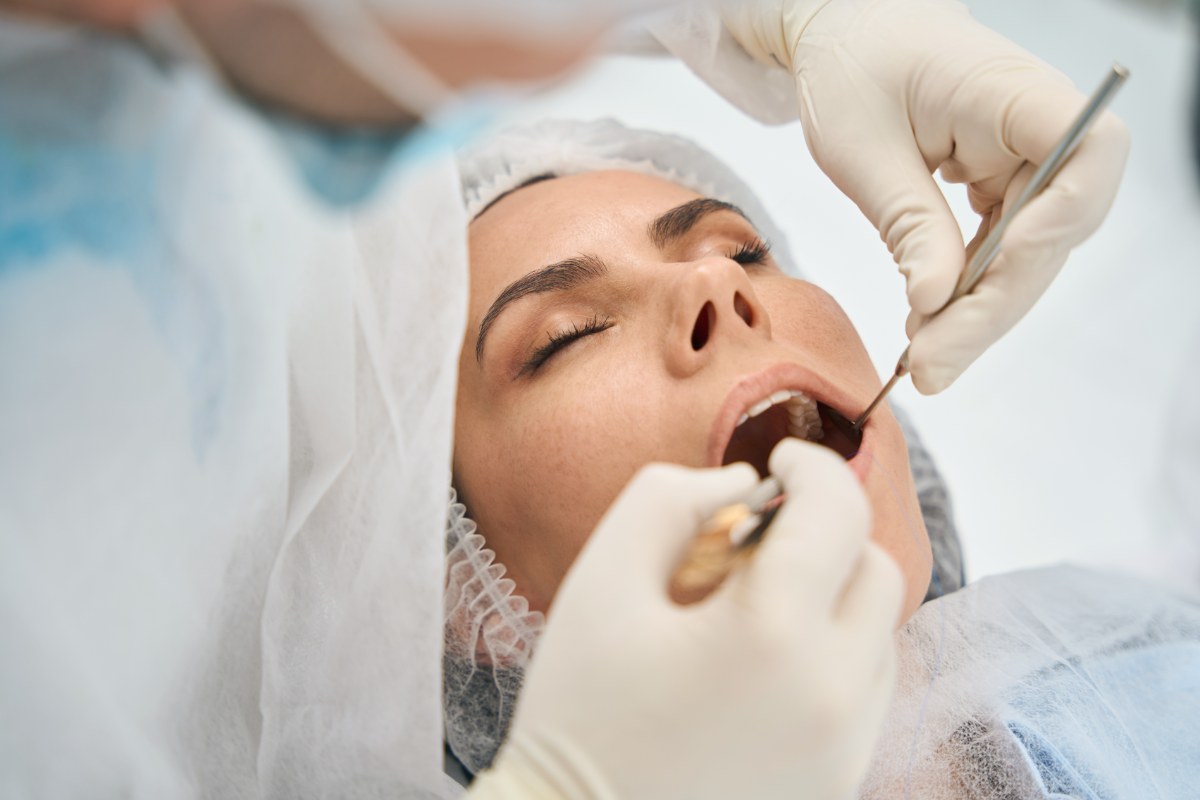
Have you ever looked at your old silver dental fillings and wondered whether they could affect your overall health? Are you considering replacing them with tooth-colored restorations but worried about mercury exposure during removal?
Dental amalgam fillings have been used for generations because of their durability and affordability. However, they contain approximately 50% elemental mercury mixed with silver, tin, and copper. Although amalgam fillings are considered safe for most people under normal conditions of use, some patients prefer alternatives or have specific reasons to discuss replacing existing restorations.
For individuals interested in a more comprehensive approach to oral health, biological dentistry emphasizes the relationship between dental treatments, oral tissues, and overall well-being.
If you live in Phoenix, AZ, and are thinking about replacing older silver fillings, understanding how the removal process works can help you make an informed decision. At Whole Health Dentistry, Dr. Eniko Loud takes a patient-centered approach to dental care, considering individual needs, existing restorations, and available treatment options.
Safe amalgam removal involves more than simply drilling out an old filling. Appropriate isolation, ventilation, suction, protective equipment, and careful handling of dental materials are important considerations.
Let’s explore how a biological dentist approaches amalgam filling removal, what safety precautions may be used, and what you should know before scheduling treatment.
What Are Dental Amalgam Fillings?
Dental amalgam filling is a restorative material traditionally used to repair teeth affected by cavities. It is made by combining elemental mercury with powdered metals such as silver, tin, and copper.
According to the U.S. Food and Drug Administration (FDA), dental amalgam contains approximately 50% elemental mercury by weight. Mercury helps bind the other metals together, creating a durable material that can withstand chewing forces.
Amalgam fillings have been widely used because they offer several practical advantages:
- Durability: They can withstand substantial chewing pressure.
- Longevity: Many amalgam restorations remain functional for years.
- Cost-effectiveness: They have historically been less expensive than some alternative materials.
- Clinical history: They have been used in restorative dentistry for more than a century.
However, amalgam fillings can release small amounts of mercury vapor, particularly during placement, polishing, removal, or when chewing.
The FDA notes that most evidence does not show harmful health effects from dental amalgam in the general population. Nevertheless, certain groups may be more susceptible to potential adverse effects, and the FDA recommends avoiding new amalgam fillings in certain higher-risk populations when possible.
This distinction matters: an intact amalgam filling does not automatically need to be removed.
What Is Biological Dentistry?
Biological dentistry is an approach to dental care that considers oral health in the context of the patient’s overall health and individual circumstances.
Rather than focusing exclusively on repairing a damaged tooth, biological dentists may also consider material selection, tissue compatibility, minimally invasive procedures, and the patient’s preferences regarding dental materials.
At Whole Health Dentistry, Dr. Eniko Loud can discuss treatment options with patients interested in a more comprehensive approach to oral health.
Some considerations associated with biological dentistry include:
- Evaluating existing metal restorations.
- Discussing alternative dental materials.
- Preserving healthy natural tooth structure.
- Considering individual sensitivities and medical history.
- Using appropriate safety measures during restorative procedures.
- Supporting preventive oral health practices.
Biological dentistry is not an FDA-recognized dental specialty, and individual practices may use different approaches. Evaluate claims about mercury removal against established scientific evidence and recognized dental safety recommendations.
Why Do Some Patients Consider Amalgam Filling Removal?
Patients may have different reasons for considering replacement of older silver fillings.
Some worry about mercury exposure, while others want to improve the appearance or condition of their teeth.
Here are several common reasons.
1. Concerns About Mercury Exposure
Dental amalgam contains elemental mercury, which can release low levels of mercury vapor over time.
The FDA recognizes that mercury exposure is a consideration when evaluating dental amalgam, particularly for certain higher-risk populations.
The agency recommends avoiding new amalgam fillings in the following groups when possible and appropriate:
- Pregnant women and those planning pregnancy.
- Nursing women.
- Children, especially those younger than six.
- People with pre-existing neurological disease.
- People with impaired kidney function.
- Individuals with known sensitivity or allergy to amalgam components.
These recommendations apply to placing new amalgam restorations. They do not mean everyone with existing fillings should have them removed.
2. Cracked, Worn, or Damaged Fillings
Over time, fillings can develop cracks, wear down, or lose their seal.
An older amalgam restoration may also be associated with damage to the surrounding tooth structure.
When a filling becomes defective, or a tooth develops decay, replacement may be necessary to restore its function.
Your dentist can evaluate the restoration and determine whether repair, replacement, or monitoring is appropriate.
3. Cosmetic Preferences
Some patients prefer tooth-colored restorations because silver fillings show when they laugh, speak, or open their mouths.
Composite resin and certain ceramic materials can provide a more natural-looking appearance.
Replacing an amalgam filling for cosmetic reasons may be an option, provided the benefits justify removing the existing restoration.
4. Individual Material Sensitivity
Although uncommon, some individuals react to components of dental amalgam, including mercury and other metals.
Symptoms may include localized irritation or inflammatory changes in the oral tissues.
If you suspect a material sensitivity, your dentist can evaluate the affected area and determine whether further assessment or restoration replacement is appropriate.
How Does a Biological Dentist Approach Safe Amalgam Filling Removal?
A biological dentist in Phoenix generally takes a precaution-focused approach to amalgam removal. The goal is to manage exposure to mercury vapor and particles during the procedure while protecting the remaining natural tooth structure.
The process may involve several protective measures.
1. Evaluating Existing Amalgam Fillings Before Removal
The first step is a thorough dental examination.
Not every silver filling needs to be replaced. A filling that is intact, functional, and free from recurrent decay may be better left alone.
The FDA specifically advises against removing healthy amalgam fillings solely to prevent disease or reduce mercury exposure. Removal can sacrifice healthy tooth structure and temporarily increase exposure to mercury vapor.
During an evaluation, Dr. Eniko Loud can consider:
- The age and condition of existing fillings.
- Signs of cracks, leakage, or recurrent decay.
- The amount of remaining natural tooth structure.
- Your dental and medical history.
- Your concerns about dental materials.
- Whether replacement offers a clear clinical benefit.
This evaluation helps determine whether removal is appropriate or whether monitoring is the better option.
2. Using High-Volume Evacuation
High-volume evacuation is an important precaution during amalgam removal.
The system uses powerful suction near the treatment area to capture water, debris, and airborne particles generated during drilling.
When removing amalgam, the dental team may use specialized suction equipment with appropriate filtration or collection systems.
The American Dental Association (ADA) identifies high-volume evacuation fitted with traps or filters as an important mercury hygiene measure when removing or polishing amalgam.
This equipment helps capture material close to where it is generated, rather than allowing debris to spread throughout the treatment area.
3. Using Water Cooling During Removal
Dental drills produce heat and can generate particles when cutting through restorative materials.
A biological dentist may use a continuous water spray during removal to cool the tooth and reduce heat-related vapor release.
Water cooling also helps flush debris away from the treatment area, while suction removes the resulting mixture.
The ADA references water spray and suction as important precautions when amalgam is being ground.
Using appropriate cooling and evacuation together helps manage exposure during the procedure.
4. Applying Rubber Dam Isolation
A rubber dam is a flexible sheet that isolates the tooth being treated.
It creates a barrier between the treatment area and the rest of the mouth. Depending on the procedure, it can help limit the movement of amalgam fragments toward the tongue and throat.
Some biological dentists incorporate rubber dam isolation into their amalgam removal protocols.
However, evidence supporting the rubber dam’s ability to reduce mercury exposure specifically during amalgam removal is limited. The ADA notes that any potential effect may be small and temporary.
A rubber dam should therefore be considered one possible protective measure rather than a guarantee against exposure.
5. Removing the Filling in Larger Sections
Another precaution-focused technique involves sectioning the existing amalgam restoration into manageable pieces rather than grinding the entire filling into fine particles.
The dentist uses appropriate instruments to separate the restoration and remove it in sections where clinically feasible.
This approach may help limit unnecessary grinding and reduce the amount of material dispersed during removal.
The dentist must still work carefully to avoid damaging the surrounding tooth structure.
Removing the filling in larger sections is not always possible, particularly when the restoration is deeply embedded, fractured, or associated with extensive decay.
6. Using Appropriate Protective Equipment
Protective equipment helps reduce contact with dental debris and supports infection-control practices.
Depending on the procedure and office protocol, protective measures may include:
- Gloves and appropriate protective clothing.
- Masks and respiratory protection appropriate to the exposure risk.
- Protective eyewear or face shields.
- Patient eye protection.
- Protective coverings for clothing and surrounding surfaces.
A biological dentist may also use additional barriers as part of a mercury-conscious removal protocol.
These precautions are intended to protect both the patient and dental professionals during treatment.
7. Maintaining Proper Ventilation and Waste Management
Air quality and waste handling are also important considerations.
Amalgam removal can generate particles and mercury-containing debris that should be collected and handled appropriately.
Dental practices should follow applicable environmental and occupational safety requirements.
The ADA references recommendations for well-ventilated treatment areas, high-volume evacuation, appropriate mercury waste collection, and the use of amalgam separators.
Amalgam separators help prevent mercury-containing dental waste from entering wastewater systems.
These measures are important not only during the patient’s appointment but also for maintaining a safer dental working environment.
What Happens After Amalgam Filling Removal?
Once the old filling has been removed, the dentist evaluates the remaining tooth structure.
If decay is present, the affected area must be treated before placing a new restoration.
The replacement material depends on the tooth’s location, restoration size, chewing forces, and individual treatment needs.
Some commonly used alternatives include:
Composite resin fillings: These tooth-colored materials bond to the natural tooth and are frequently used for small to moderate restorations.
Ceramic restorations: Ceramic materials may be appropriate for larger restorations when additional strength and coverage are needed.
Glass ionomer materials: These restorative materials chemically bond to tooth structure and release fluoride. They may be appropriate in selected situations.
The objective is to restore the tooth’s function while preserving as much healthy natural structure as possible.
Dr. Eniko Loud can discuss suitable restorative materials based on your dental condition and treatment preferences.
Are There Risks Associated With Amalgam Removal?
Although appropriate precautions can help manage exposure, no dental procedure is entirely risk-free.
Patients should understand the potential considerations before deciding to replace an amalgam filling.
Temporary Mercury Vapor Exposure
The FDA explains that removing an amalgam filling can temporarily increase mercury vapor exposure.
This is one reason the agency does not recommend removing intact fillings without a medical or dental reason.
Loss of Healthy Tooth Structure
Removing an existing filling may require additional tooth preparation.
If the restoration is large or the surrounding tooth is weakened, less natural structure may remain after replacement.
Tooth Sensitivity
Some patients experience temporary sensitivity to temperature or pressure following restorative treatment.
The duration depends on the depth of the original filling, the tooth’s condition, and the type of replacement restoration.
Need for Additional Treatment
If significant decay or structural damage is discovered beneath an old filling, a simple replacement may not be sufficient.
The tooth may require a larger restoration, such as an inlay, onlay, or crown. In some situations, additional treatment may be necessary.
A thorough examination helps identify these possibilities before treatment begins.
What Does Scientific Research Say About Dental Amalgam Safety?
Understanding the scientific evidence matters before deciding whether to replace existing fillings.
Dental amalgam has been used in dentistry for more than 150 years. Its durability and affordability have made it a common restorative material.
The FDA reports that amalgam contains approximately 50% elemental mercury by weight. It also acknowledges that small amounts of mercury vapor can be released from these restorations.
The ADA provides additional information about typical exposure. Its amalgam guidance reports estimated mercury vapor release of approximately 0.2–0.4 micrograms per day for each amalgam-filled tooth surface. The ADA notes that these estimates are below the U.S. Environmental Protection Agency’s reference dose for mercury exposure.
Research has also examined whether dental amalgam is associated with systemic health problems.
A 2021 systematic review discussed by the ADA found no association between dental amalgam restorations and increased systemic diseases in children or adults compared with resin-based composite restorations.
These findings do not mean that every patient has identical exposure or risk. Individual medical circumstances, material sensitivities, and the condition of existing restorations matter.
The most responsible approach is to distinguish established scientific findings from claims that have not been demonstrated by reliable clinical research.
Who Should Consider Avoiding Dental Amalgam?
The FDA identifies several groups that may be at greater risk of potential adverse effects from dental amalgam exposure.
These include:
- Pregnant women and developing fetuses.
- Women planning to become pregnant.
- Nursing mothers and their newborns or infants.
- Children, particularly those younger than six.
- People with certain neurological conditions.
- Individuals with impaired kidney function.
- People with known allergies or sensitivities to amalgam components.
The FDA recommends that these individuals consider non-amalgam restorative materials whenever possible and appropriate.
For example, composite resin or glass ionomer may be considered depending on the location and condition of the affected tooth.
Importantly, being part of a higher-risk group does not automatically mean that existing, healthy amalgam fillings should be removed. The FDA recommends discussing individual circumstances with a dental or medical professional before making that decision.
How Can You Prepare for a Biological Dentistry Consultation?
If you are considering amalgam removal in Phoenix, AZ, preparing for your appointment can make the consultation more productive.
Start by identifying which fillings concern you and whether youhave noticed any changes in your teeth.
It can also help to prepare questions about the removal process, protective measures, and replacement materials.
Consider asking:
- Are my existing amalgam fillings damaged or showing signs of decay?
- Is there a clinical reason to replace them?
- What precautions are used to manage mercury vapor and particles?
- Does the practice use high-volume evacuation and appropriate filtration?
- Will you use a rubber dam when appropriate?
- Which tooth-colored restorative materials are suitable for my teeth?
- What are the possible risks of replacing my existing fillings?
At Whole Health Dentistry, Dr. Eniko Loud can discuss your concerns and help you understand the available options.
You should feel comfortable asking questions and understanding the reasons behind any recommended procedure before moving forward.
Why Choose Whole Health Dentistry for a Patient-Centered Approach?
Dental material decisions should be based on individual oral health needs, not a one-size-fits-all recommendation.
At Whole Health Dentistry, patients interested in biological dentistry can discuss their concerns about older restorations, dental materials, and preventive care.
Dr. Eniko Loud understands that patients may have different priorities when considering restorative treatment.
Some may be concerned about the appearance of silver fillings. Others may have questions about mercury, material sensitivity, or preserving healthy tooth structure.
A comprehensive consultation lets an review your dental history, evaluate existing restorations, and discuss suitable alternatives.
If you are considering replacing older fillings, understanding the procedure and its limitations is an important first step.
Conclusion
Safe amalgam filling removal involves careful planning, appropriate protective equipment, effective suction, water cooling, and responsible handling of mercury-containing materials.
A biological dentist may incorporate additional precautions, such as rubber dam isolation, protective barriers, and sectioning the filling into larger pieces when possible. However, these measures should be discussed in the context of established dental safety recommendations and the evidence supporting each technique.
It is equally important to recognize that healthy amalgam fillings do not automatically require replacement. The FDA advises against removing intact restorations without a clinical reason because unnecessary removal can sacrifice healthy tooth structure and temporarily increase mercury vapor exposure.
If you have older silver fillings and want to explore your options, Dr. Eniko Loud at Whole Health Dentistry can help you understand the condition of your restorations and discuss appropriate treatment choices.
Making an informed decision starts with an individualized examination and an honest conversation about the benefits, limitations, and risks of treatment.
Visit our dental practice in Phoenix, AZ. Book now to schedule your appointment with our team.
Frequently Asked Questions
1. What dental services are available at Whole Health Dentistry?
Whole Health Dentistry provides dental care focused on individual oral health needs. Depending on your condition, treatment may include preventive, restorative, and other dental services. Our dentist can evaluate your needs and recommend an appropriate treatment plan.
2. How often should I schedule a dental checkup?
Many patients benefit from dental checkups and professional cleanings every six months. However, our dentist may recommend a different schedule depending on your gum health, cavity risk, and dental history.
3. What should I bring to my first dental appointment?
Bring your medical and dental history, a list of current medications, information about previous dental treatments, and any questions about your oral health. Our dentist can use this information to understand your needs better.
4. How can I maintain healthy teeth and gums between dental visits?
Brush twice daily with fluoride toothpaste, floss or clean between your teeth every day, limit sugary foods and drinks, and attend regular dental checkups. Our dentist can recommend additional preventive measures based on your oral health.
5. How can I schedule an appointment at Whole Health Dentistry?
Contact Whole Health Dentistry to schedule a dental consultation and discuss your concerns. Our dentist can examine your teeth, explain suitable treatment options, and help you determine the next steps for your dental care.