
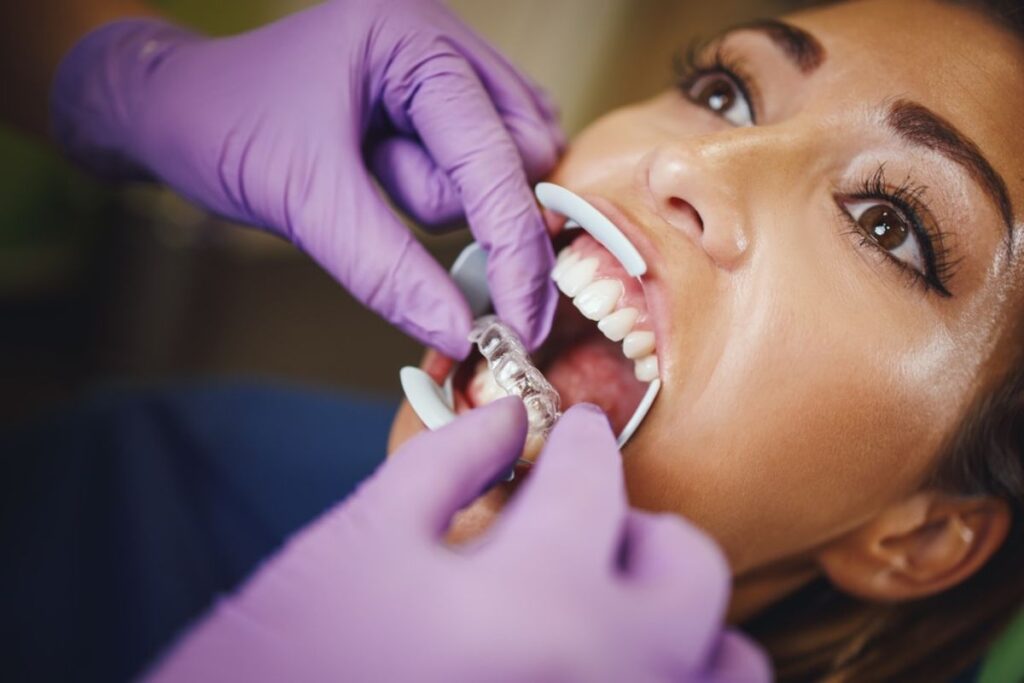
If you have gum disease, you might be wondering whether Invisalign is an option. Gum problems can make it harder to achieve the desired results with clear aligners.
So, can you move forward with Invisalign while dealing with gum disease? The answer depends on the severity of the issue.
According to a report by Aligntech, Invisalign has treated around 19.5 million patients, including 5.6 million children and teens.
Before starting treatment, it’s important to address your gum health to avoid complications down the road. Let’s explore.
Gum disease doesn't automatically disqualify you from Invisalign treatment. However, it's essential to have healthy gums. Here's why:
Invisalign aligners fit over your teeth and gradually shift them. If your gums are unhealthy, the aligners can aggravate existing inflammation, potentially worsening gum disease. Healthy gums are essential for supporting the aligners and preventing complications.
If gum disease is left untreated, shifting in teeth will worsen the damage to your gums. In such a situation you may experience infection, or tooth loss or even gum recession from Invisalign. Healthy gums are crucial for successful orthodontic treatment and maintaining long-term oral health.
In some cases, a dentist or orthodontist may recommend treating your gums before starting Invisalign.
Once the gum disease is under control, you can proceed. Treatment for gum disease may include professional cleaning, scaling, and root planning.
If you have gum disease and want to proceed with Invisalign, follow these steps to ensure you're on the right path:
1. Get a Thorough Dental Evaluation
Start by scheduling a visit with your dentist or orthodontist. They will assess the health of your gums, check for signs of gum disease, and create a personalized treatment plan. If gum disease is present, your dentist will likely recommend addressing it first.
2. Treat the Gum Disease
Before starting Invisalign, it’s important to get your gums back to a healthy state. Here’s what you might expect:
3. Ensure Ongoing Gum Health
Once your gums are healthy, maintaining good oral hygiene is essential. This includes:
4. Follow Your Treatment Plan
After your gums are healthy, your dentist will create a treatment plan for your Invisalign. They will monitor your progress throughout the treatment to make sure your gums remain healthy while your teeth are moving.
The best way to ensure you don’t run into gum problems during Invisalign treatment is by taking steps to prevent gum disease. Here’s how you can protect your gums and your smile:
With the right treatment and care, you can address the gum issue first, and then proceed with getting the smile you’ve always wanted. Remember, healthy gums are key to successful Invisalign treatment. So be sure to get professional help and maintain good oral hygiene throughout your treatment.
Ready to take the next step toward a healthier, straighter smile? Reach out to us if you are considering Invisalign Treatment in Phoenix.
Call us at 480.563.4141 to schedule consultation today and get the guidance you need to start your Invisalign journey with confidence.


Copyright © 2026 Whole Health Dentistry • Desert Ridge Medical Plaza 20950 North Tatum Blvd, Suite 300 Phoenix, AZ 85050 • Phone: 480.563.4141